
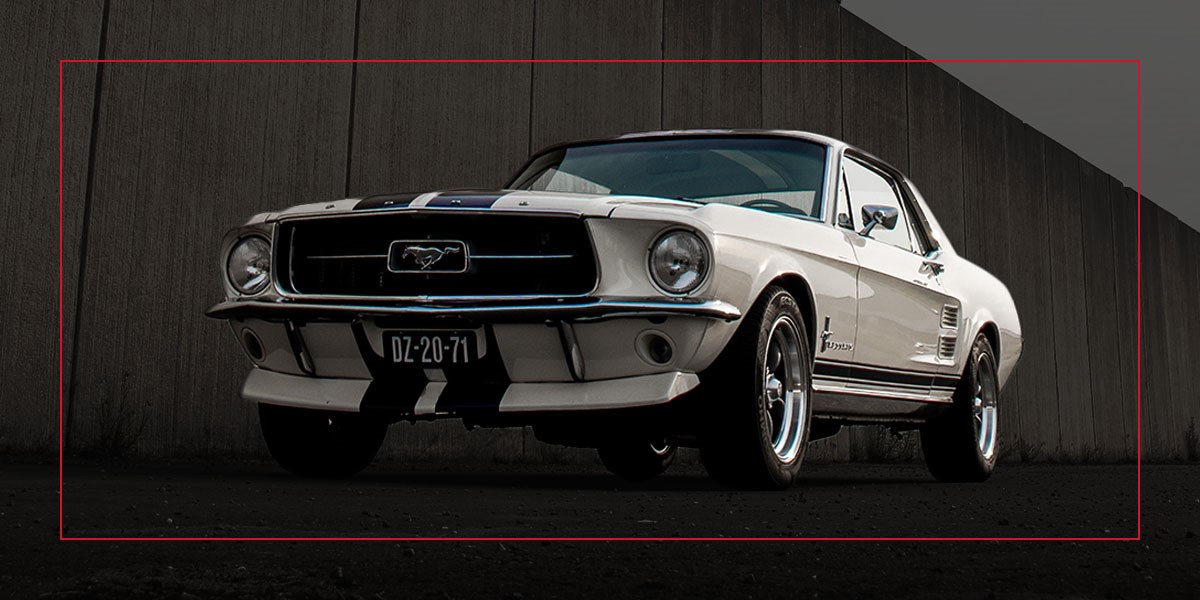
Few cars have the same lasting popularity as the Ford Mustang. First introduced in the 1960s, this car quickly became a symbol of freedom, speed, and personal style. Over the years, it has appeared in movies, racing events, and street culture, making it one of the most recognised classic cars in the world. Customising a classic Mustang allows you to enjoy its vintage charm while adding modern comfort and performance.
The first step in customising a Mustang is choosing the right model, and following Mustang restoration best practices starts with understanding the strengths of each generation. Each generation has its own personality. Early models from the mid-1960s are especially popular because of their simple design and lightweight body. These cars are easier to modify and have strong support for replacement parts. Their clean engine layout also makes it easier to upgrade to a more powerful modern engine, which is why classics like the Ford Mustang remain a favourite among restorers.
Models from the late 1960s offer a stronger and more muscular look. They usually have more space under the hood, which allows for bigger engines and better suspension systems. These versions are a good choice for people who want a balance between classic style and modern performance. Early 1970s models have a bold design and a stronger body structure. They are slightly heavier but are great for high-power builds or eye-catching show cars.
When selecting your base car, it is important to consider the original engine and structure. A car that originally came with a smaller engine might need extra reinforcement if you plan to install a more powerful one. Conversely, a factory V8 model offers a better starting point for performance upgrades. Picking the right base car will influence cost, compatibility, and long-term value.
Modern upgrades are a huge part of customising a classic Mustang. Many owners replace the original engine with a newer, more reliable one to increase horsepower and improve fuel efficiency. Pairing it with a modern transmission can make the car smoother and easier to drive. Suspension upgrades are also important. Improved suspension systems help the car handle better and provide a more comfortable ride. Modern disc brakes add safety and stronger stopping power.
The interior can also be upgraded while keeping a vintage look. Many builders choose high-quality seats, improved sound systems, and updated dashboard features. Modern technology, such as Bluetooth or navigation, can be added in a way that still respects the car’s classic design. This creates a driving experience that feels both nostalgic and comfortable.
Exterior design is where you can truly show your personality. Custom paint colours, racing stripes, or polished chrome details can give the car a unique style. Wheels and ride height also change the overall look. Larger wheels and a lowered stance create a sporty appearance, while classic wheel designs maintain a traditional feel.
Customising a classic Mustang is about more than speed or appearance. It is about creating a car that reflects who you are. By combining vintage style with modern upgrades, you can build a vehicle that honours its history while performing confidently on today’s roads.

Comments are closed.