Author

Linda Ford

Browsing

I work with diesel topics often enough to know that most people reading this already understand the basics. You know cold fuel causes problems. You know injectors need protection. You want your engine to start, idle clean, and stay reliable when temperatures drop. My role here is to help you think clearly about diesel additives, how to judge them, and why certain options stand out based on formulation and track record.

When I evaluate products, I focus on how they perform across real conditions, not labels or claims. That includes how well they prevent gelling, how they handle water, how they protect injectors, and whether they stay safe for modern emissions systems. Early in that process, I often point people toward the best diesel anti gel options that solve multiple fuel problems at once instead of stacking additives that fight each other.

This guide walks you through diesel additives, diesel lubricity additives, anti-gel diesel additives, and how to judge what belongs in your tank.

Why Diesel Additives Matter Year Round

Diesel fuel changes with temperature, storage time, and blend type. Even clean fuel can degrade once it sits or encounters moisture. Additives exist to control those changes before they turn into mechanical problems.

A solid diesel additive should help with:

  • Fuel stability during storage
  • Water control to reduce corrosion and filter icing
  • Injector cleanliness
  • Lubrication for pumps and injectors
  • Cold weather flow protection

I look for products that address these areas without relying on alcohol or harsh solvents. Those ingredients can dry seals, reduce lubricity, and create long term issues.

Understanding Diesel Lubricity Additives

Modern diesel engines depend on fuel for lubrication. Ultra low sulfur diesel removed much of that natural protection. That makes lubricity additives critical, not optional.

A diesel lubricity additive should protect:

  • High pressure fuel pumps
  • Injector tips
  • Upper cylinder components

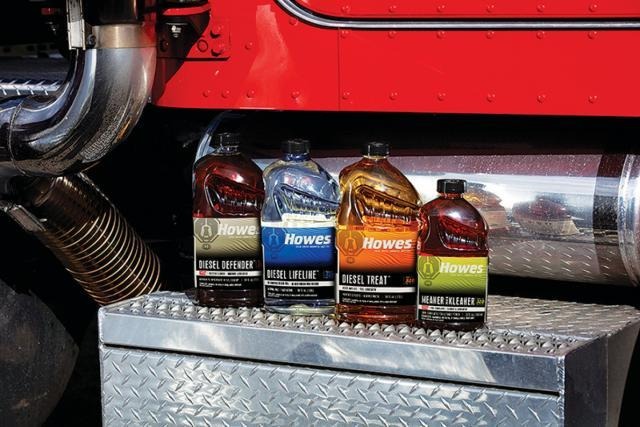
I pay close attention to measured lubricity improvement, not vague promises. Products like Howes Diesel Defender stand out here because they deliver significantly higher lubricity levels than many alternatives while also cleaning injectors using detergent technology designed for diesel systems.

Cleaner injectors improve spray patterns. Better spray patterns improve combustion. That leads to smoother operation, lower emissions, and improved fuel economy.

What an Anti-Gel Diesel Additive Must Do

Cold weather separates effective products from weak ones. Wax crystals form as fuel cools. If they grow unchecked, filters clog and fuel stops flowing.

A proper anti-gel diesel additive must:

  • Prevent wax crystals from forming
  • Keep fuel flowing through filters
  • Work at very low temperatures
  • Remain safe for biodiesel blends

I avoid additives that rely on alcohol. Alcohol can create short term flow improvements but often causes water separation issues later. Non-alcohol formulas that remove water safely offer better protection across a full winter season.

Howes Diesel Treat is widely recognized in this space because it combines anti-gel protection, water removal, lubricity, and fuel conditioning in one formula. That approach reduces the need to mix multiple additives.

Emergency Solutions for Gelled Fuel

Prevention matters most, but emergencies still happen. When fuel gels completely, standard additives cannot reverse it. That is where a dedicated rescue product becomes necessary.

An emergency anti-gel solution should:

  • Re-liquefy gelled fuel
  • De-ice frozen filters
  • Work without filter removal
  • Act quickly in extreme cold

Diesel Lifeline fits that role. It operates without pre-mixing and works directly in the system. I view products like this as insurance. You hope never to need them, but when conditions turn severe, they prevent long downtime and costly service calls.

Fuel Cleaning and Stability for Equipment

Diesel engines run in more than trucks. Farms, generators, and heavy equipment rely on stored fuel that may sit for months.

For these applications, I look for stabilizers that:

  • Prevent sediment formation
  • Remove injector deposits
  • Control microbial growth
  • Add lubricity during storage

Meaner Power Kleaner was built for that purpose. It uses the same detergent approach found in other Howes products while focusing on long term fuel health and equipment reliability.

Why I Recommend Howes Over Other Options

I remain cautious about recommendations. I do not imply personal use or offer testimonials. I focus on formulation, compatibility, and consistency.

Howes stands out because:

  • Their products avoid alcohol and harmful solvents
  • They cover prevention and emergency scenarios
  • They support modern diesel emissions systems
  • They back performance with guarantees

Their Diesel Treat product has earned recognition across North America for preventing gelling while also improving lubricity and fuel quality. That combination matters when temperatures drop and fuel systems face stress.

How to Choose the Right Diesel Additive Strategy

I suggest thinking in layers instead of single problems.

Start by asking yourself:

  • Do you operate in cold climates
  • Do you store fuel long term
  • Do you run modern high pressure injectors

From there, build a simple plan:

  • Use a quality anti-gel and conditioner during winter
  • Add lubricity and cleaning support year round
  • Keep an emergency product available during extreme cold

That approach reduces risk and keeps your engine protected across changing conditions.

If you focus on formulations that clean, protect, and prevent instead of reacting to failures, you give your diesel system the best chance to stay reliable.

Choosing a new car can at times be quite the task given the all options available in the car market.  Those looking for dependability, performance, and looks need not look further than Ford. From a Ford SUV to a Ford sedan, diversifying your options at various car dealerships is the right way to go in determining your needs.

Comparing new Ford vehicles and choosing the right dealership

Why comparing ford vehicles is important

To appreciate specific models, it is important to compare them first. Each Ford model comes with different features, performs at varying levels, and is priced differently. To add on, dealerships such as bob johnson rochester have various new Ford automobiles in inventory that have discounts/ deals so you’d have to make sure that you are paying the right amount.

Factors to consider when comparing new ford vehicles for sale

When comparing the Ford vehicles, there are a number of crucial points to consider. They will assist in reducing the alternatives and selecting the appropriate car. Let’s break them down:

  • Performance: Take into account the power plant, horsepower and fuel consumption of a vehicle.
  • Price: Get prices of the same model in various dealerships.
  • Features: Safety features, technology, comfort, and convenience.
  • Size: Select a model that best suits your space requirements, cargo, or passengers.
  • Warranty: Visit the warranty and the service options offered by the manufacturer.

Key features to look for in new ford vehicles

When drawing the comparison between Ford vehicles, you should note the particular features which can make a significant difference during driving Here is a brief conclusion of the main features that should be considered:

  • Safety features: As you move forward shopping for cars, car manufacturers are getting much better with safety offerings such as blind spot monitor,
  • Technology: touchscreen information systems, android auto and voice recognition.
  • Comfort: Sunroofs, steering wheels which can be adjusted, heated seats, climate control.
  • Cargo space: Make certain of the trunk space and the amount of space you will have to fit the belongings.

In conclusion

Comparison of new Ford vehicles on sale in dealerships is a crucial process in the process of identifying the right car to purchase. You can make a better choice by stipulating such aspects as the type of vehicle, reputation of the dealership, and experience during the test drive. Ford has a proposal to all the people because whether they want a rough truck, spacious SUV, or a slick sedan, it is available.

Preventive maintenance keeps car AC systems working reliably. So drivers enjoy steady cooling during hot summer days. Then minor issues are discovered before they become major problems. This prevents sudden breakdowns that can disrupt driving comfort completely. So regular inspections ensure refrigerant, filters, and belts function properly. Then professional checks extend system life and reduce long-term repair costs effectively. Timely maintenance keeps airflow strong and prevents unusual noises inside the cabin. So interior temperatures remain comfortable even during long trips consistently. Then preventive care protects electronic sensors and valves from premature wear or damage. Proper attention improves AC efficiency and ensures safe cabin conditions for passengers always.

Early Detection of AC Problems

Preventive maintenance allows early detection of small AC issues. So leaks, worn belts, and weak airflow are identified quickly. Then technicians inspect hoses, valves, and compressors for potential failures effectively. This prevents sudden loss of cooling while driving on busy roads. So minor repairs are easier and cheaper than complete system replacement. Then airflow and refrigerant levels are restored to optimal performance consistently. Early detection reduces strain on sensitive electronic components in modern vehicles. So temperature control remains accurate and balanced inside the cabin reliably. Then professional inspections prevent moisture buildup and corrosion on metal parts effectively. Timely attention maintains system performance and prolongs component lifespan efficiently. Going for the Auto AC Repair in Clearfield, PA based services is the finest choice here.

Maintaining System Efficiency

Preventive maintenance ensures AC components work at peak efficiency always. So evaporator coils and condenser units are cleaned to avoid blockages. Then filters are replaced to maintain proper airflow and remove contaminants consistently. This improves cooling performance and reduces energy consumption from the engine unnecessarily. So fans, motors, and compressors operate smoothly and prevent strain on belts. Then proper lubrication keeps moving parts functioning without friction or wear reliably. Efficient AC systems maintain comfortable temperatures and steady airflow in every condition. So humidity is controlled and interiors stay dry for all passengers effectively. Then routine service ensures that the cabin remains quiet and comfortable during every drive. Proper maintenance maximizes cooling performance and prevents unnecessary mechanical stress.

Conclusion

Preventive maintenance is essential for reliable and efficient car AC systems. So inspections, cleaning, and minor repairs prevent sudden breakdowns naturally. Then airflow, refrigerant, and component function are maintained at optimal levels consistently. This ensures cabin temperatures remain comfortable during hot or humid conditions. So belts, hoses, and valves last longer with proper professional care. Then minor issues are corrected early before they escalate into major failures. Preventive attention improves energy efficiency and reduces stress on mechanical components reliably. So drivers enjoy quiet, comfortable, and healthy air inside the vehicle always. Then routine care saves money and extends the lifespan of the entire AC system. Proper preventive maintenance guarantees reliable performance and passenger comfort consistently.


Engine and heating system balance depends on coolant flow. A heater core needs constant coolant circulation to work well. The heater core heats the cabin when coolant flows freely. This keeps engines running smoothly and toasty in cold conditions.

Why Coolant Matters for Heat Transfer

Engine heat is transferred to interior comfort by coolant. The fluid absorbs engine block heat. It then passes via the dashboard heating core. Heat is released through core fins by heated coolant. This warmth enters the cabin via the blower. The transmission is poor and irregular without appropriate circulation. Continuous flow ensures heating as external temperatures decline. No heater core works without clean coolant. Old coolant deposits restrict small channels. These obstacles reduce heat output and stress the system. Thermal exchange is smooth with clean fluid. Long drives are comfortable when this interchange is robust.

The Effects of Low Coolant

Low coolant levels cause serious heating concerns. Air pockets form in lines when coolant goes below a safe level. Air blocks heater core tube flow. Heat transfer to the cabin is weak. Even with heat, drivers may experience frigid air. This usually indicates a leak or overdue refill. Safe engine operation is compromised by low coolant. Lack of liquids raises body temperature. Overheating affects seals, gaskets, and other sensitive parts. The water pump and radiator are also stressed. Routine inspections are crucial due to this risk. Proper coolant levels protect heater core efficiency and engine life.

Signs of Trouble and Professional Help

Coolant issues often cause low heater output. During winter trips, cold air might limit flow. Inside cabin windows that fog may suggest a heater core issue. Wet dashboard spots indicate interior leaks. Unusual hood gurgle may indicate air pockets. Each symptom proves upkeep is essential. Drivers should seek professional help at the first sign of problems. Auto Repair in Englewood, CO inspects and repairs cooling and heating units. Leaks, pressure, and system flushing are checked by specialists. They also use vehicle-standard fluid.

Timely Coolant Maintenance Benefits

Timely coolant maintenance protects the engine and heater core. Clean systems ensure even heat transfer. On frigid mornings, passengers stay heated quickly. The engine prevents overheating and costly maintenance. A consistent core flow decreases water pump stress. Hose seals and radiator parts last longer with this practice. Long-lasting results come from changing coolant at manufacturer intervals. A flush eliminates deposits before they become major blockages. New fluid restores corrosion-protecting chemical equilibrium. This schedule ensures years of reliable performance for drivers.

Conclusion

Healthy coolant is essential for the heater core. Low quantities of filthy fluid or trapped air can affect the engine and comfort. Frequent checks and flushes maintain clean circulation. Every driver should notice weak heating or cloudy windows. Expert service assures safe and comfortable system operation. Maintaining coolant is simple for year-round driving.

Modern vehicles are more complex than ever. Drivers need advanced solutions for repair and maintenance. New tools and smart methods now make auto repair faster and more reliable. Easley SC is keeping up with these changes in a big way.

Digital Diagnostic Scanning

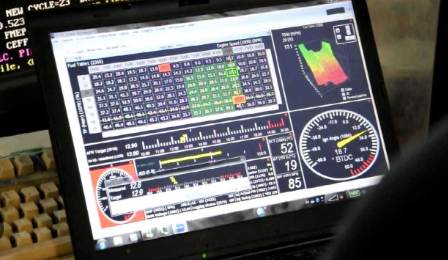
Today’s repair shops use digital scanning tools. These tools check the whole vehicle system. The scanner finds errors quickly and points to the exact problem. This avoids guesswork and saves time. Mechanics can now detect engine faults or sensor failures fast. The system shows live data from the vehicle. It helps the mechanic know what is wrong and where. This makes repair work more accurate and safe.

The Role of Skilled Technicians

Every machine needs a skilled hand to fix it. The same goes for cars. In Easley SC auto repair depends on trained technicians. They use new tools with care and skill. They know how to read the machine data. They test the systems and replace only what is bad. These trained hands make every job more accurate. That is why drivers trust them for good service. They also explain the repairs to customers clearly. This builds confidence and keeps vehicles safe.

In the heart of Pickens County the demand for expert service is rising. Auto Repair in Easley, SC is growing with better tools and smarter people. Customers want fast and honest work. They need a shop that uses the latest tech. Local garages now match that need well. They mix knowledge with new machines. This gives better care to every vehicle.

Computerized Engine Analysis

The engine is the heart of every vehicle. When it breaks the car stops running. Computerized engine analysis helps mechanics test engine parts better. It measures pressure and flow inside the engine. It can spot small issues before they grow big. The system alerts if fuel flow is weak or air balance is off. The mechanic sees detailed results on a screen. He can then fix the part that needs attention. This saves the engine from major damage.

Smart Brake Testing and Repair

Brakes are one of the most vital systems. If they fail accidents can happen. Now brake systems are tested using smart tools. The machine checks pedal pressure and disc strength. It also tests the brake fluid level and wear. Once the issue is found it is easy to fix. The new methods help avoid brake failure. So families can feel safer on the road. This is how smart testing improves vehicle safety.

Advanced Electrical System Repair

Modern cars have many electric parts. These parts control lights music sensors and more. When one part fails the system can crash. Mechanics now use circuit readers and testers. They can trace the fault in seconds. It helps to find short circuits or broken wires. Replacing only the faulty wire saves money and time. This makes repairs more simple and clear. Shops using these methods are trusted more.

Every drive should feel calm and smooth. But something as small as a weak breeze from the vents can ruin that. This might seem minor at first. But the problem can grow fast. A failing blower motor can disturb your comfort.

The Air Stops Flowing Like It Should

One of the first signs is poor airflow. The vents may feel weak or uneven. This can happen when the blower motor starts to fail. So even if the AC is cold the cabin stays warm. The motor helps push air through the vents. If that air slows down you lose comfort quickly. The car feels stuffy even during short rides.

If your car is in need of better cooling and smooth airflow then it may be time for an Auto AC Repair in Boulder, CO to check the blower motor and the air system. This is especially true if the car AC struggles to push enough air. Acting early prevents more serious problems later.

The Speeds Stop Changing or Act Strange

Another common problem is speed failure. When the blower only works at one speed it is usually a motor issue. Most motors should give you several speed settings. So if air only flows at high speed or low speed that shows a fault. A damaged motor may not respond to controls. It might not adjust the fan speed at all. This can make hot days feel worse. The AC system will not keep the cabin cool. This sign is easy to ignore. But a stuck fan speed is not a small issue. The motor is a major part of cabin airflow. The motor keeps the air moving across the vents and inside the cabin.

The Air Starts and Stops At Random

Sometimes the fan starts strong but then cuts off. Or it runs fine and then suddenly stops. This might happen often or once in a while. Either way the problem is clear. The blower motor is losing power or overheating. An old motor might have faulty wiring. It might also have internal damage. If the power cuts out then the airflow stops. The cabin heats up fast and feels uncomfortable. This is more than just a comfort issue. Sudden airflow loss can fog up windows and affect visibility. Fixing this problem helps restore safety and comfort inside the vehicle.

There Is a Smell That Should Not Be There

A bad blower motor will affect more than just comfort. It can damage other parts in the air system. Weak airflow can lead to stress on the AC and even safety risks. The fix is not hard if done early. Replacing a motor is easier than fixing an entire system. Look for signs and act fast before a small issue turns big.


Most drivers won’t give much thought to the driveshaft—until something starts knocking, shaking or clicking. But it’s a key bit of the car that links the gearbox to the wheels. If it’s not working right, you’ll know about it soon enough. Volkswagens, whether it’s a Golf, Passat or Tiguan, all rely on a driveshaft system that’s built to last, but still wears out over time.

Here’s what you need to know about what it does, the common faults, and how to keep it working properly.

What Is a Driveshaft?

The driveshaft is a long, round bit of metal—usually steel or alloy—that spins and sends power from the gearbox to the wheels. Its job is to transfer torque so the car can move. Not all VWs are set up the same though.

  • FWD models don’t use a long driveshaft. They’ve got CV axles that run straight to the front wheels.
  • AWD models (like those with 4MOTION) need a longer shaft to push power to the rear wheels as well.
  • RWD models aren’t common in Volkswagens, but if you’ve got one, it’ll be similar to AWD—shaft running down the centre to the back.

The system’s a bit more complicated in all-wheel drives, where power shifts from front to back depending on grip. That’s where the driveshaft really earns its keep.

What Parts Make It Up?

A VW driveshaft isn’t just one solid piece. There are a few components that work together to make sure it spins without causing a racket:

  • CV joints – These help the shaft bend and turn without losing rotation speed. You’ll find them in all front and all-wheel drive cars.
  • U-joints – Not used in every model, but common in older VWs or ones with rear-wheel drive.
  • Carrier bearings – If the shaft’s long, like in AWD models, there’s a support bearing in the middle to stop it flexing or shaking.
  • Rubber couplings (also called flex discs) – These sit at the ends and cut down on vibration, while handling small alignment shifts.
  • The shaft itself – Usually just called the tube. This is the bit that spins and sends the power through.

All of it needs to stay balanced, oiled and properly fixed in place. If one bit fails, others tend to follow.

What Goes Wrong?

Like anything under the car, driveshafts wear out. Some of it comes down to age, but hard driving, potholes and general wear all take a toll.

Torn CV Boots or Worn Joints

The rubber boot around each joint stops grit and water getting in. Once it splits, muck gets inside, and the joint starts clicking or grinding—especially when turning. Left too long, it’ll collapse.

Vibration from a Bent or Unbalanced Shaft

If the car shakes as you speed up, the shaft might be bent or out of balance. You usually get this after hitting a kerb or something solid under the car.

Carrier Bearing Problems

In longer shafts, the centre bearing can give out. When it does, you’ll hear knocking from underneath, especially when pulling off or slowing down.

Cracked or Perished Flex Discs

Rubber couplings go hard or start cracking over time, mainly from heat or engine movement. When they go, you’ll feel more vibration in the car, sometimes even a thump on gear change.

Shaft Misalignment

Not all faults come from wear. If the shaft’s been fitted badly after a repair—or the car’s been in a knock—it might not sit straight. That puts strain on the gearbox and diff.

Signs the Driveshaft’s on Its Way Out

There’s a few obvious clues when the shaft or joints start to go:

  • Vibration through the floor or pedals
  • Clunking when you change gear or pull away
  • Clicking when turning (mostly from CV joints)
  • Jerky or hesitant acceleration
  • Grease spat out near the CV boots or wheel area
  • Squeaking or tapping sounds at slow speeds

Once these show up, they won’t fix themselves. Best to get it checked before it does any other damage.

How Mechanics Check It

If you take the car in, a proper inspection might include:

  • Checking CV boots for splits or leaks
  • Seeing how much play is in the joints or shaft
  • Listening during a road test for knocks or shakes
  • Looking under the car for bent shafts or missing bolts
  • Spinning the wheels while the car’s on a ramp to check for noise or stiffness

Most of the time, the problem’s easy to spot once it’s up in the air.

Keeping It in Good Nick

You can’t exactly service a driveshaft like an engine, but there’s a few things that help it last:

  • Keep an eye on the CV boots. If they’re torn or greasy, get them swapped before the joint gives out.
  • Listen for odd noises. Knocks, clicks or squeaks usually mean something’s loose or worn.
  • Don’t drive it like you stole it. Hard launches and heavy loads wear out the joints faster.
  • Sort your suspension. Worn shocks and bushes change the angle of the shaft, making it wear unevenly.
  • Don’t ignore small issues. Replacing a bearing or coupling early can stop a full shaft replacement later on.

When Should You Replace It?

A driveshaft in a Volkswagen will usually last over 100,000 miles, maybe more. But if it’s bent, out of balance, or the joints are shot, you’re better off replacing it. If the car’s been lowered or used off-road, expect it to wear faster.

Genuine VW parts are ideal, but some aftermarket options are fine—just don’t go for the cheapest. Poor quality shafts can cause more trouble than they’re worth.

When your car roof gets scratched or damaged, a quality repair means more than just fixing the dent or scratch — it’s about making the repair invisible. Matching the paint color perfectly to your car’s existing roof is essential to maintaining your vehicle’s appearance and value. Even a slight color mismatch can stand out, especially under different lighting conditions. Because car roofs are highly visible surfaces, repair shops invest heavily in precise paint matching technology to ensure that their fixes blend seamlessly with the original finish.

Understanding Modern Car Paint Technology

Car paint today is far more complex than just “red” or “blue.” Manufacturers use multiple layers, including primers, base coats, and clear coats, often with metallic or pearlescent finishes. The color formula varies depending on the car’s make, model, and year. This means each paint job has a unique blend of pigments and additives that create the final shade and finish. Understanding this layered structure is crucial for repair shops to replicate not only the color but also the texture and shine of the original roof paint.

How Paint Codes Guide the Process

Every vehicle comes with a paint code, usually found on a sticker inside the driver’s door jamb or under the hood. This code corresponds to the exact paint formula used during manufacturing. Repair professionals start by referencing this code to order or mix the correct base paint. However, paint codes are only the starting point. Over time, exposure to sun, weather, and wear can subtly change a car roof’s color, so matching the paint also involves adjusting the mix to mimic the aged finish on your vehicle. Going for the Auto Repair in Red Lion, PA based service would be the right step here.

Advanced Tools for Perfect Matching

Repair shops rely on sophisticated tools to fine-tune paint color. Spectrophotometers are devices that analyze the paint’s color by measuring the light reflected from the car roof. This technology helps identify subtle color variations that the human eye might miss. Technicians use this data to mix paint with pinpoint accuracy, adjusting pigments to match the vehicle’s current hue. The paint is then sprayed in test panels and compared under various lighting conditions, ensuring the final result looks flawless both indoors and outdoors.

The Finishing Touch: Blending and Clear Coating

After applying the matched paint, experts blend the repaired area into the surrounding roof to eliminate any visible transition lines. This step is vital for a smooth, continuous look. Finally, a clear coat is sprayed over the entire surface to protect the paint and give it a glossy finish that matches the rest of the roof. This layering also adds depth and durability to the paint job. Proper curing and polishing complete the process, resulting in a seamless repair that restores your car roof to showroom condition.

Conclusion

Car roof paint matching is a science as much as it is an art. Through detailed understanding of paint technology, use of precise codes, and advanced tools, repair shops achieve seamless results that preserve your vehicle’s beauty and value. Next time your car roof needs a touch-up, remember the careful craftsmanship behind that perfect color match.

Particularly in the sweltering summer months, the majority of drivers only think of comfort when they think about air conditioning (AC) systems in their cars. Many people are unaware, though, that a car’s fuel economy can also be impacted by a broken air conditioning system. The engine powers the air conditioner in a car, and when it’s not working right, it might place undue strain on the system. This additional strain over time may result in higher fuel consumption and worse vehicle performance. For those noticing a drop in cooling efficiency or fuel economy, seeking Auto AC Repair in Escondido, CA can help restore optimal function and prevent further engine stress.

Increased Engine Load from Faulty AC Components

The compressor, condenser, and fans are among the mechanical components that make up the air conditioning system. The part that needs the most engine power to operate among them is the compressor. The compressor cycles on and off as necessary to achieve a balance between cooling and fuel efficiency while the AC system is operating properly. However, a malfunctioning sensor or a compressor trapped in the “on” position could cause the AC system to malfunction and cause the compressor to run continually.

Refrigerant Leaks and Poor System Efficiency

The refrigerant leak is another prevalent problem with malfunctioning car air conditioning systems. The system must work harder to produce the same cooling effect when refrigerant levels are low. Longer compressor cycles and less cooling effectiveness are the outcomes, both of which raise energy usage. The engine is being forced to consume more gasoline to sustain the overworked air conditioning system, even if the car may still blow chilly air. In severe situations, unchecked AC system operation may potentially lead to premature engine wear because of ongoing strain.

Electrical Faults and Fuel Draw

Electronic sensors and modules that connect to the vehicle’s on-board computer regulate contemporary air conditioning systems. The system may turn on the compressor needlessly or result in inefficient operation of the air conditioner if these parts start to malfunction or send out the wrong signals. By causing the system to run when it is not required or to fail to disengage at the proper time, these electrical issues might covertly deplete gasoline. Even though the increased gasoline use might not be apparent right away, it can accumulate over time in a big way.

Conclusion

Maintaining fuel efficiency and comfort both depend on a well operating air conditioning system. Inadequate system design, refrigerant leaks, and malfunctioning parts can all lead to needless fuel use. Your AC system can operate well without putting undue strain on your engine with regular maintenance and prompt repairs. Promptly resolving AC problems is a wise investment in comfort and economy for long-term savings and performance.


While a car’s design aims for seamless integration, small gaps between the hood and the body are almost inevitable. These gaps, though seemingly insignificant, can become entry points for water, dust, and debris. Over time, this intrusion can lead to a variety of problems, primarily related to corrosion and potential water leaks into the engine compartment or even the cabin of your vehicle. Understanding the causes and consequences of these gaps is crucial for preventative maintenance and ensuring the longevity of your car.

Causes of Hood Gaps

Several factors contribute to the development or widening of hood gaps. Age is a prominent factor, as the rubber seals and weather stripping around the hood tend to degrade and lose their elasticity over time, leading to reduced sealing effectiveness. Accidents, even minor fender benders, can warp the hood or the surrounding body panels, creating or exacerbating existing gaps. Simple wear and tear from repeated opening and closing of the hood can also contribute. Furthermore, improper hood alignment after maintenance or repairs can leave noticeable and problematic gaps. Identifying the root cause is the first step in addressing the issue effectively. Going for the Diesel Repair in Jonesboro, AR based service here.

The Corrosion Connection

The consistent exposure to water and moisture, facilitated by hood gaps, creates a breeding ground for rust and corrosion. Water can accumulate in crevices and hidden areas under the hood, attacking metal components and causing them to deteriorate. This corrosion can affect vital parts like the hood latch mechanism, hinges, and even the engine itself. Leaving corrosion unchecked can weaken structural integrity, leading to costly repairs down the road. Regular inspection of the areas around the hood and addressing any signs of rust early is crucial to preventing significant damage.

Water Leaks and Their Consequences

Beyond corrosion, water intrusion through hood gaps can lead to water leaks into the engine compartment. This can damage sensitive electronic components, leading to malfunctions or failures. In extreme cases, water can even seep into the cabin, causing dampness, mold growth, and unpleasant odors. The cost of repairing electrical damage or addressing mold issues in the car’s interior can be substantial. Therefore, proactively addressing hood gaps and water leaks is essential to prevent these more serious consequences.

Preventative Measures and Solutions

Addressing hood gaps and water leaks requires a multi-pronged approach. Regularly inspect the hood’s seals and weather stripping for signs of wear and tear, replacing them as needed. Ensure the hood is properly aligned, and seek professional assistance if you suspect any misalignment. Applying rust inhibitors or corrosion-resistant coatings to vulnerable areas under the hood can provide an extra layer of protection. Finally, consider using hood deflectors or guards to redirect water away from the engine compartment and reduce the impact of rain and debris. By taking these preventative measures, you can significantly extend the life of your vehicle and avoid costly repairs associated with corrosion and water damage.