
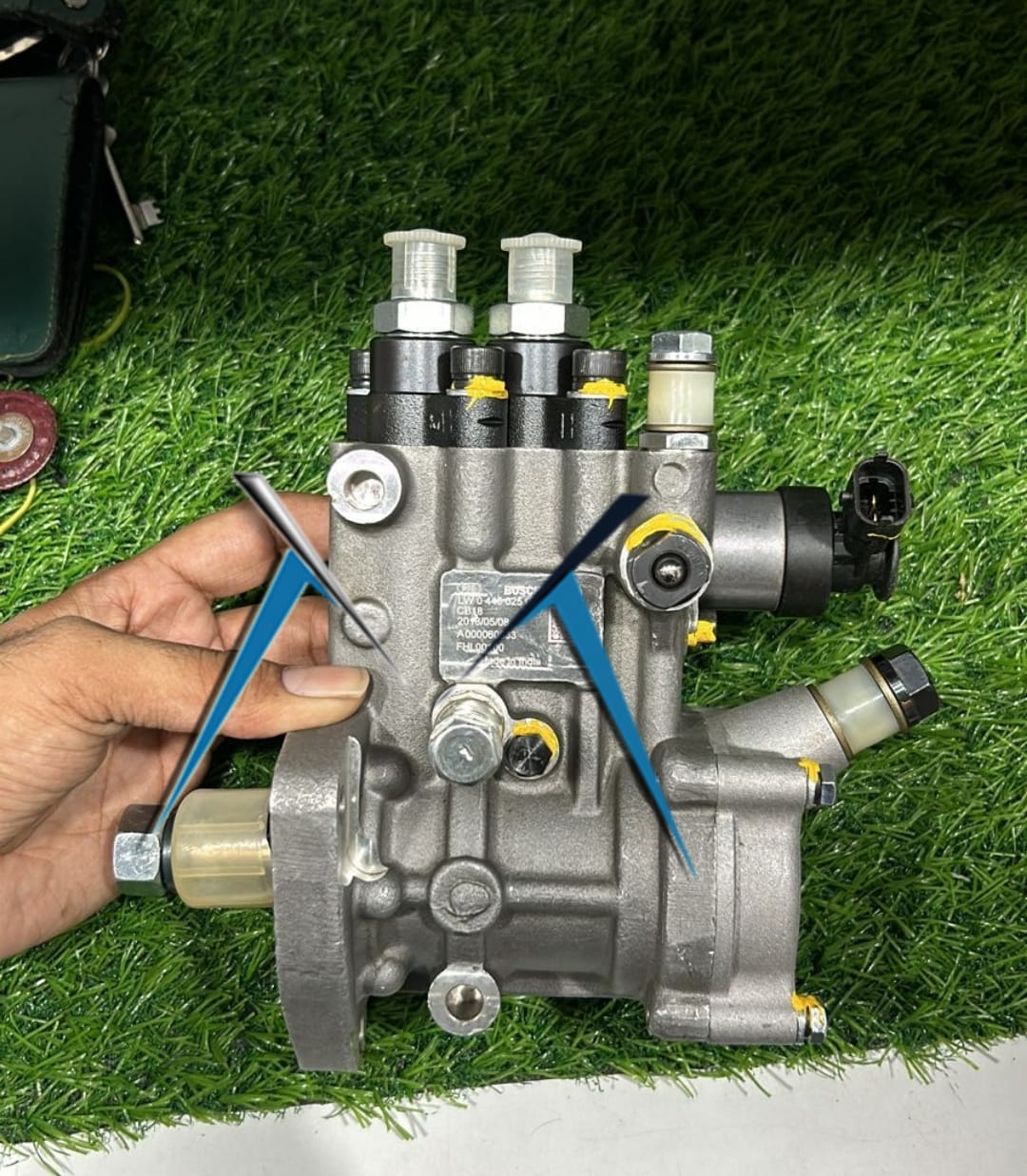
Fuel injection pumps are a critical component of modern engines, ensuring that fuel is delivered to the engine cylinders precisely and efficiently. Understanding how these pumps work can help improve engine performance, fuel efficiency, and longevity. This fuel injection pump explained step by step guide provides a clear overview of how fuel injection pumps function.
Step 1: Drawing Fuel from the Tank
The process begins with the pump drawing fuel from the fuel tank. A low-pressure pump or suction system ensures a steady flow of fuel into the injection pump. This first step is essential to maintain a constant fuel supply for smooth engine operation.
Step 2: Pressurising the Fuel
Once fuel enters the pump, it is pressurised to a very high level. High pressure is necessary for proper atomization when the fuel is injected into the engine cylinders. The pressurisation ensures that the fuel mixes thoroughly with air, promoting complete combustion and maximum efficiency.
Step 3: Controlling Fuel Quantity
The fuel injection pump regulates the exact amount of fuel delivered to each cylinder. Mechanical pumps use plungers and cams, while electronic systems rely on sensors and an ECU. Accurate fuel metering prevents over-fueling or under-fueling, which can affect engine performance and fuel economy.
Step 4: Timing the Injection
Timing is critical in fuel injection. The pump ensures that fuel is injected at the precise moment in the combustion cycle. For diesel engines, this is usually near the end of the compression stroke. Proper timing ensures complete combustion, smooth engine operation, and reduced emissions.
Step 5: Fuel Delivery to Injectors
Pressurised and measured fuel is then sent to the fuel injectors. In modern engines, each cylinder has its own injector, and in common rail systems, a shared rail supplies fuel at high pressure. The injectors spray the fuel in a fine mist, allowing it to mix thoroughly with compressed air in the cylinder.
Step 6: Combustion in the Cylinder
Once the fuel is injected, it mixes with compressed air and ignites due to the high temperature inside the cylinder. Efficient fuel injection ensures complete combustion, generating maximum power and minimising fuel wastage.
Step 7: Continuous Monitoring and Adjustment
Modern fuel injection pumps work alongside sensors and electronic control units (ECUs). These systems continuously monitor engine speed, load, and temperature, adjusting fuel pressure, quantity, and timing in real-time. This ensures optimal performance under all operating conditions.
Conclusion
Fuel injection pumps are essential for precise fuel delivery in modern engines. By pressurising fuel, controlling its quantity, and timing its injection accurately, these pumps maximise engine performance, improve fuel efficiency, and reduce emissions. Regular maintenance and proper understanding of their function help keep engines reliable, powerful, and long-lasting.

Comments are closed.