Author

Linda Ford

Browsing

When your car roof gets scratched or damaged, a quality repair means more than just fixing the dent or scratch — it’s about making the repair invisible. Matching the paint color perfectly to your car’s existing roof is essential to maintaining your vehicle’s appearance and value. Even a slight color mismatch can stand out, especially under different lighting conditions. Because car roofs are highly visible surfaces, repair shops invest heavily in precise paint matching technology to ensure that their fixes blend seamlessly with the original finish.

Understanding Modern Car Paint Technology

Car paint today is far more complex than just “red” or “blue.” Manufacturers use multiple layers, including primers, base coats, and clear coats, often with metallic or pearlescent finishes. The color formula varies depending on the car’s make, model, and year. This means each paint job has a unique blend of pigments and additives that create the final shade and finish. Understanding this layered structure is crucial for repair shops to replicate not only the color but also the texture and shine of the original roof paint.

How Paint Codes Guide the Process

Every vehicle comes with a paint code, usually found on a sticker inside the driver’s door jamb or under the hood. This code corresponds to the exact paint formula used during manufacturing. Repair professionals start by referencing this code to order or mix the correct base paint. However, paint codes are only the starting point. Over time, exposure to sun, weather, and wear can subtly change a car roof’s color, so matching the paint also involves adjusting the mix to mimic the aged finish on your vehicle. Going for the Auto Repair in Red Lion, PA based service would be the right step here.

Advanced Tools for Perfect Matching

Repair shops rely on sophisticated tools to fine-tune paint color. Spectrophotometers are devices that analyze the paint’s color by measuring the light reflected from the car roof. This technology helps identify subtle color variations that the human eye might miss. Technicians use this data to mix paint with pinpoint accuracy, adjusting pigments to match the vehicle’s current hue. The paint is then sprayed in test panels and compared under various lighting conditions, ensuring the final result looks flawless both indoors and outdoors.

The Finishing Touch: Blending and Clear Coating

After applying the matched paint, experts blend the repaired area into the surrounding roof to eliminate any visible transition lines. This step is vital for a smooth, continuous look. Finally, a clear coat is sprayed over the entire surface to protect the paint and give it a glossy finish that matches the rest of the roof. This layering also adds depth and durability to the paint job. Proper curing and polishing complete the process, resulting in a seamless repair that restores your car roof to showroom condition.

Conclusion

Car roof paint matching is a science as much as it is an art. Through detailed understanding of paint technology, use of precise codes, and advanced tools, repair shops achieve seamless results that preserve your vehicle’s beauty and value. Next time your car roof needs a touch-up, remember the careful craftsmanship behind that perfect color match.

Particularly in the sweltering summer months, the majority of drivers only think of comfort when they think about air conditioning (AC) systems in their cars. Many people are unaware, though, that a car’s fuel economy can also be impacted by a broken air conditioning system. The engine powers the air conditioner in a car, and when it’s not working right, it might place undue strain on the system. This additional strain over time may result in higher fuel consumption and worse vehicle performance. For those noticing a drop in cooling efficiency or fuel economy, seeking Auto AC Repair in Escondido, CA can help restore optimal function and prevent further engine stress.

Increased Engine Load from Faulty AC Components

The compressor, condenser, and fans are among the mechanical components that make up the air conditioning system. The part that needs the most engine power to operate among them is the compressor. The compressor cycles on and off as necessary to achieve a balance between cooling and fuel efficiency while the AC system is operating properly. However, a malfunctioning sensor or a compressor trapped in the “on” position could cause the AC system to malfunction and cause the compressor to run continually.

Refrigerant Leaks and Poor System Efficiency

The refrigerant leak is another prevalent problem with malfunctioning car air conditioning systems. The system must work harder to produce the same cooling effect when refrigerant levels are low. Longer compressor cycles and less cooling effectiveness are the outcomes, both of which raise energy usage. The engine is being forced to consume more gasoline to sustain the overworked air conditioning system, even if the car may still blow chilly air. In severe situations, unchecked AC system operation may potentially lead to premature engine wear because of ongoing strain.

Electrical Faults and Fuel Draw

Electronic sensors and modules that connect to the vehicle’s on-board computer regulate contemporary air conditioning systems. The system may turn on the compressor needlessly or result in inefficient operation of the air conditioner if these parts start to malfunction or send out the wrong signals. By causing the system to run when it is not required or to fail to disengage at the proper time, these electrical issues might covertly deplete gasoline. Even though the increased gasoline use might not be apparent right away, it can accumulate over time in a big way.

Conclusion

Maintaining fuel efficiency and comfort both depend on a well operating air conditioning system. Inadequate system design, refrigerant leaks, and malfunctioning parts can all lead to needless fuel use. Your AC system can operate well without putting undue strain on your engine with regular maintenance and prompt repairs. Promptly resolving AC problems is a wise investment in comfort and economy for long-term savings and performance.


While a car’s design aims for seamless integration, small gaps between the hood and the body are almost inevitable. These gaps, though seemingly insignificant, can become entry points for water, dust, and debris. Over time, this intrusion can lead to a variety of problems, primarily related to corrosion and potential water leaks into the engine compartment or even the cabin of your vehicle. Understanding the causes and consequences of these gaps is crucial for preventative maintenance and ensuring the longevity of your car.

Causes of Hood Gaps

Several factors contribute to the development or widening of hood gaps. Age is a prominent factor, as the rubber seals and weather stripping around the hood tend to degrade and lose their elasticity over time, leading to reduced sealing effectiveness. Accidents, even minor fender benders, can warp the hood or the surrounding body panels, creating or exacerbating existing gaps. Simple wear and tear from repeated opening and closing of the hood can also contribute. Furthermore, improper hood alignment after maintenance or repairs can leave noticeable and problematic gaps. Identifying the root cause is the first step in addressing the issue effectively. Going for the Diesel Repair in Jonesboro, AR based service here.

The Corrosion Connection

The consistent exposure to water and moisture, facilitated by hood gaps, creates a breeding ground for rust and corrosion. Water can accumulate in crevices and hidden areas under the hood, attacking metal components and causing them to deteriorate. This corrosion can affect vital parts like the hood latch mechanism, hinges, and even the engine itself. Leaving corrosion unchecked can weaken structural integrity, leading to costly repairs down the road. Regular inspection of the areas around the hood and addressing any signs of rust early is crucial to preventing significant damage.

Water Leaks and Their Consequences

Beyond corrosion, water intrusion through hood gaps can lead to water leaks into the engine compartment. This can damage sensitive electronic components, leading to malfunctions or failures. In extreme cases, water can even seep into the cabin, causing dampness, mold growth, and unpleasant odors. The cost of repairing electrical damage or addressing mold issues in the car’s interior can be substantial. Therefore, proactively addressing hood gaps and water leaks is essential to prevent these more serious consequences.

Preventative Measures and Solutions

Addressing hood gaps and water leaks requires a multi-pronged approach. Regularly inspect the hood’s seals and weather stripping for signs of wear and tear, replacing them as needed. Ensure the hood is properly aligned, and seek professional assistance if you suspect any misalignment. Applying rust inhibitors or corrosion-resistant coatings to vulnerable areas under the hood can provide an extra layer of protection. Finally, consider using hood deflectors or guards to redirect water away from the engine compartment and reduce the impact of rain and debris. By taking these preventative measures, you can significantly extend the life of your vehicle and avoid costly repairs associated with corrosion and water damage.

When it comes to off-roading and outdoor adventure, Yamaha has established itself as a leader in the world of side-by-side vehicles. Known for their rugged design, innovative features, and top-tier performance, Yamaha side-by-sides (SxS) are the go-to choice for thrill-seekers, farmers, and outdoor enthusiasts alike. If you’re considering buying a Yamaha side-by-side or simply looking to learn more about what these vehicles have to offer, this guide is for you.

In this Yamaha side-by-side guide, we’ll cover everything from what a side-by-side is to the different models offered by Yamaha, key features to look for, maintenance tips, and why Yamaha stands out in the crowded off-road market. Whether you’re an experienced rider or a newcomer, this post will provide you with all the information you need to make an informed decision.

What is a Yamaha Side-by-Side?

A Yamaha side-by-side (often abbreviated as SxS) is a utility vehicle designed for off-road adventures. It features a seating arrangement that accommodates two or more passengers side-by-side, as opposed to the traditional arrangement found in ATVs (All-Terrain Vehicles), which typically seat one rider. Side-by-sides are equipped with handlebars, a steering wheel, and often come with a variety of storage options, making them ideal for tasks ranging from recreational use to work purposes on farms, construction sites, or hunting grounds.

Yamaha’s side-by-side lineup is known for its blend of comfort, performance, and durability. They cater to a wide range of uses, from leisure activities like trail riding and hunting to practical uses such as farming, landscaping, and other utility tasks. With powerful engines, advanced suspension systems, and a range of sizes and styles, Yamaha side-by-sides are designed to handle various terrains, including dirt trails, mud, sand, and snow.

Yamaha Side-by-Side Models

Yamaha offers a variety of side-by-side models to suit different needs, from recreational riders to workers in demanding industries. Here’s a breakdown of the primary Yamaha side-by-side models:

1. Yamaha Wolverine Series

The Yamaha Wolverine series is one of the most popular in the company’s lineup. Designed for both work and play, these vehicles provide an excellent combination of ruggedness and comfort. They are ideal for trail riding and off-road excursions, with impressive handling and ride quality.

Yamaha Wolverine X4: This four-seat model offers ample space for passengers while still delivering great off-road performance. It comes equipped with a powerful engine and a refined suspension system, making it ideal for rugged trails and difficult terrain.

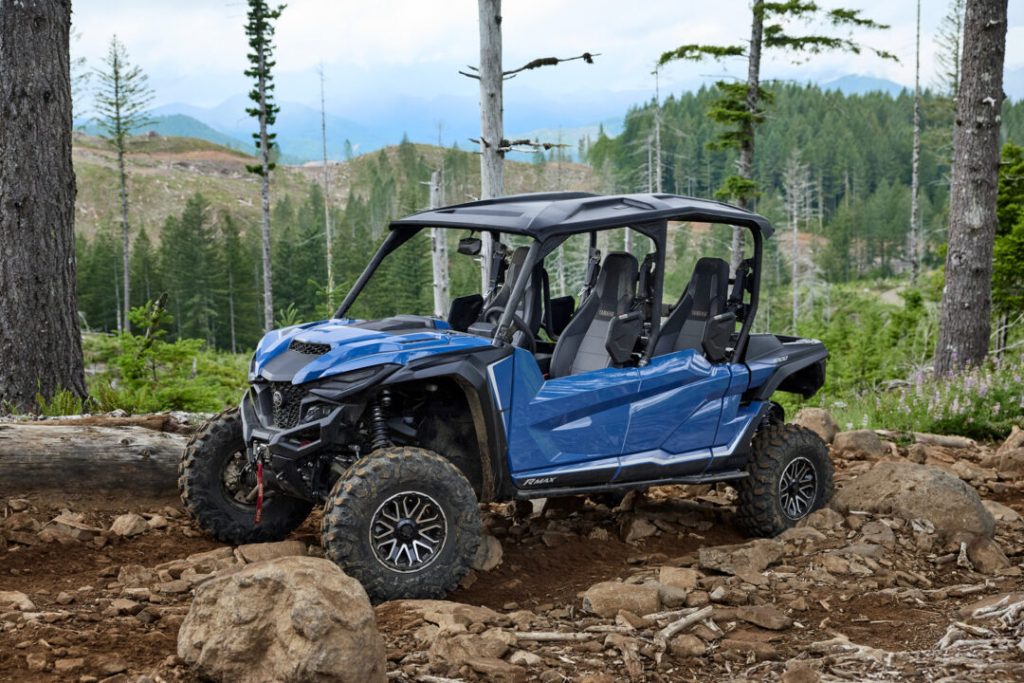
Yamaha Wolverine RMAX: The RMAX is designed for extreme off-road enthusiasts. With a bigger engine and a more robust suspension system, it delivers impressive performance in all conditions. The RMAX is known for its high clearance, which allows it to tackle even the toughest trails.

2. Yamaha Viking Series

The Yamaha Viking series is more focused on utility and workhorse capabilities. These models are built to take on heavy-duty tasks while providing comfort and dependability. They are often used in agriculture, construction, and other industries where hauling and towing are necessary.

Yamaha Viking: The standard model in this series is designed to handle tough jobs, whether you’re hauling heavy loads, working in the mud, or driving on uneven terrain. It has a comfortable cabin and a generous payload capacity, making it ideal for work-related tasks.

Yamaha Viking EPS: This variant comes with an electronic power steering (EPS) system that makes driving even easier, especially on rough terrain. It’s perfect for people who need a combination of utility and performance.

3. Yamaha YXZ1000R

The YXZ1000R is Yamaha’s flagship performance model. Designed specifically for enthusiasts who demand extreme power and speed, this model is perfect for high-performance off-road adventures. Equipped with a 1000cc engine and a 5-speed manual transmission, the YXZ1000R offers exceptional power and handling, making it one of the fastest and most agile side-by-sides available.

With its high-revving engine and manual transmission, this vehicle delivers an unmatched driving experience. It’s built for those who want a true sport-oriented side-by-side for extreme off-roading, trail racing, or rock crawling.

Key Features to Look for in a Yamaha Side-by-Side

When shopping for a Yamaha side-by-side, there are several key features you should keep in mind. These features not only enhance your experience but also play a significant role in the vehicle’s performance, comfort, and durability. Here are some essential features to consider:

1. Engine Performance

The engine is the heart of any off-road vehicle. Yamaha offers a range of engine sizes and types, from smaller engines designed for lighter tasks to larger, more powerful engines for extreme off-road adventures. Consider the terrain you plan to drive on and the load you’ll need to haul when choosing the engine size.

2. Suspension System

A good suspension system is crucial for handling rough trails and uneven terrain. Yamaha’s side-by-sides come equipped with high-quality suspension systems that absorb bumps and keep the ride smooth. Features like adjustable shock absorbers and long suspension travel help you maintain control and comfort on tough terrain.

3. Towing Capacity

If you plan to use your side-by-side for work or to haul equipment, towing capacity is a key factor to consider. Yamaha side-by-sides are designed with impressive towing capabilities, and different models come with varying levels of towing power.

4. Cabin Comfort

The comfort of the cabin can make a significant difference, especially if you’re going to be spending long hours on the trails or working on a job site. Look for features like adjustable seats, a well-designed steering wheel, and enough legroom for passengers. Yamaha’s side-by-sides offer spacious cabins with user-friendly controls.

5. Storage and Cargo Capacity

Many Yamaha side-by-sides come with ample storage space, whether you need to carry tools, camping gear, or other essentials. Consider the storage options available, including compartments, racks, and cargo beds, depending on your specific needs.

6. Off-Road Capability

A Yamaha side-by-side’s off-road capabilities are determined by factors like ground clearance, tire size, and driveline features. Models like the Wolverine RMAX feature high ground clearance, robust tires, and a 4WD drivetrain, allowing them to handle even the toughest terrain.

Yamaha Side-by-Side Maintenance Tips

Maintaining your Yamaha side-by-side is essential to keeping it running smoothly for years to come. Regular maintenance ensures that the vehicle remains in peak condition, performing well in all types of terrain and conditions. Here are some key maintenance tips:

1. Regular Oil Changes

Changing the oil and oil filter is crucial for keeping the engine in top condition. Make sure to follow Yamaha’s recommended maintenance schedule for oil changes based on the model and usage.

2. Inspect and Replace Air Filters

Dirty air filters can reduce engine performance and fuel efficiency. Regularly inspect your air filters and replace them as necessary to maintain engine power and efficiency.

3. Check the Battery

Keep an eye on the battery to ensure it’s charged and in good condition. Clean any corrosion from the terminals and check the battery’s voltage.

4. Tire Maintenance

Your tires are vital for maintaining traction and handling. Regularly check tire pressure and tread wear, and replace tires when they are worn out or damaged.

5. Grease and Lubrication

Lubricating the moving parts of your Yamaha side-by-side, such as the suspension components and driveline, ensures smooth operation and prevents excessive wear.

6. Cleaning

Regularly wash your side-by-side to remove dirt, mud, and debris. Not only will this help maintain its appearance, but it will also prevent dirt from interfering with critical components.

Why Choose Yamaha for Your Side-by-Side?

Yamaha has built a reputation for producing reliable, high-performance off-road vehicles that are designed to last. Here are some reasons why you should choose a Yamaha side-by-side:

1. Reliability

Yamaha is known for its reliability, and its side-by-sides are no exception. These vehicles are engineered to handle tough conditions, providing consistent performance in all environments.

2. Innovative Features

Yamaha is always at the forefront of innovation, introducing new features that enhance the off-roading experience. From advanced suspension systems to superior handling, Yamaha’s commitment to innovation sets it apart from competitors.

3. Variety of Models

With a wide range of models, Yamaha offers side-by-sides that suit different needs and preferences. Whether you need a utility vehicle for work or a high-performance machine for sport, Yamaha has a model for you.

4. Exceptional After-Sales Support

Yamaha’s strong after-sales support and network of dealerships ensure that you can get service and repairs whenever needed. Plus, the availability of parts and accessories makes it easy to maintain and customize your vehicle.

Conclusion

Yamaha side-by-sides are a great choice for those who want a durable, high-performance off-road vehicle. With a variety of models and configurations to choose from, Yamaha offers something for everyone, whether you’re looking for a utility vehicle for work or a high-performance machine for recreation. By following the tips in this Yamaha side-by-side guide, you’ll be able to select the right model, maintain your vehicle properly, and enjoy years of off-road adventures.

If you’re considering a Yamaha side-by-side, take the time to explore your options and find the one that best suits your needs. With their proven reliability, advanced features, and exceptional performance, Yamaha side-by-sides continue to be a top choice for off-road enthusiasts worldwide.


Rear-end accidents are among the most common types of car collisions, and the trunk area often bears the brunt of the impact. Because the trunk is located at the rear end, it serves as a buffer zone in many collisions, absorbing energy to protect passengers. However, this protection comes at a cost, various trunk components can suffer damage, ranging from cosmetic dents to critical mechanical failures. For expert assessment and repairs, trusted Auto Repair in Boulder, CO can help vehicle owners recognize damage early and ensure appropriate fixes.

Damage to the Trunk Lid and Outer Panels

The trunk lid is usually the first component to sustain damage in a rear-end collision. It can become dented, bent, or even misaligned, affecting its ability to open and close properly. The outer panels surrounding the trunk also often show signs of impact, including scratches, paint chipping, and structural deformation. Such cosmetic and structural damage not only detracts from the vehicle’s appearance but can also lead to issues with trunk sealing, allowing water and dust to enter the compartment.

Harm to Hinges, Struts, and Alignment

Behind the trunk lid, mechanical components like hinges and torsion bars or struts are highly susceptible to damage during rear collisions. Impact force can bend or break these parts, causing the trunk lid to misalign or fail to stay open. Misalignment of the trunk affects its ability to latch securely, compromising safety and increasing the risk of the trunk popping open while driving. Replacing or repairing these mechanical components is often necessary to restore proper trunk functionality.

Effects on the Locking Mechanism and Seal Gasket

Rear-end impacts can also impair the trunk’s locking system. The lock cylinder, latch, and electronic locking mechanisms may become jammed or broken, making it difficult or impossible to secure the trunk. A damaged latch compromises trunk security, exposing contents to theft or accidental loss. Additionally, trunk seal gaskets, responsible for waterproofing the trunk, can tear or become displaced during collisions, allowing water leaks and accelerating corrosion inside the trunk space.

Importance of Thorough Inspection and Timely Repairs

After a rear-end accident, it’s crucial to have a comprehensive inspection of all trunk components by a qualified mechanic or body shop. Early detection of hidden damage prevents further issues such as water ingress, rust, or mechanical failure. Timely repairs not only restore the trunk’s appearance and function but also maintain vehicle safety and resale value. Investing in proper trunk repairs after a collision ensures that your vehicle remains reliable and that the trunk continues to protect your belongings as intended.

Conclusion

Rear-end accidents can severely impact a car’s trunk components, from the lid and panels to hinges, locking mechanisms, and seals. Recognizing these vulnerabilities and addressing damage promptly helps maintain your vehicle’s safety, functionality, and aesthetic appeal.


A rattling noise coming from your exhaust system can be a cause for concern. While it may seem like a minor annoyance, it can indicate deeper issues within the exhaust components, especially the catalytic converter. The noise is typically caused by loose or damaged internal parts, such as a broken or deteriorated catalytic converter substrate. Ignoring this sound can lead to further damage and costly repairs down the line, as internal parts may eventually break apart, obstructing the exhaust flow.

Possible Causes of the Rattle

The most common cause of a rattling noise from the exhaust system is a failing catalytic converter. Over time, the catalyst inside the converter, which is responsible for filtering harmful emissions, can degrade and break apart. This debris can rattle around inside the converter, causing the noise. Other causes include loose heat shields, damaged exhaust pipes, or issues with other components in the exhaust system, such as the muffler or exhaust manifold. Any of these problems can lead to further exhaust system malfunction if not addressed.

Impact on Engine Performance

A rattling catalytic converter or exhaust component can lead to significant engine performance issues. As internal parts of the converter break apart, debris can block the exhaust flow, increasing backpressure in the engine. This restriction can reduce engine efficiency, causing poor acceleration, decreased fuel economy, and even stalling. Ignoring these issues can not only lead to performance loss but also cause potential damage to the engine itself as the exhaust system works harder to push gases out. The Auto Repair in San Antonio, TX based services are quite important here.

Risks of Delaying Repairs

Delaying repairs when a rattling noise is heard from the exhaust system can lead to more severe consequences. If the damage is left unchecked, the internal parts of the converter or other components can cause total failure of the exhaust system, requiring a full replacement. In addition to the cost of repairs, ignoring a rattling noise could result in your vehicle failing an emissions test, leading to additional legal and financial complications. Furthermore, continued driving with a compromised exhaust system can affect the overall health of your engine.

When to Seek Professional Help

If you hear a rattling noise coming from your exhaust system, it’s essential to have it inspected by a professional mechanic as soon as possible. A qualified technician can diagnose the problem, identify the source of the noise, and recommend the necessary repairs. Early intervention can prevent more extensive damage to the exhaust system and engine, saving you money in the long run.

Conclusion:

A rattling noise from the exhaust system, particularly the catalytic converter, should never be ignored. It may signal internal damage that could lead to poor engine performance and expensive repairs if left unresolved. Early detection and professional inspection can save your vehicle from more severe damage and costly repairs.

Your car horn plays a vital role in ensuring safety on the road. It alerts other drivers, pedestrians, or cyclists of your presence, helping to prevent accidents or gain attention in critical situations. A horn’s sound is engineered to be loud, clear, and easily heard above other noise in traffic. However, when the tone of the horn begins to change, it may indicate an underlying problem. Understanding what different horn sounds mean can help you diagnose issues before they affect your ability to communicate on the road.

A Harsh or Distorted Sound

If your car horn sounds harsh, distorted, or out of tune, it could be a sign of mechanical damage. A common cause of this is a damaged diaphragm, the vibrating component inside the horn that generates sound. Over time, the diaphragm can bend, crack, or rust, causing irregular vibrations that produce a harsh tone. In some cases, debris, dirt, or moisture can enter the horn unit, causing internal components to malfunction and resulting in a distorted sound. If the tone sounds rattly or buzzy, it’s time to check the horn unit for possible physical damage or blockages. Choosing the European Auto Repair in Liberty, MO based service is quite important. In this case.

A Weak or Faint Horn

When the horn sounds weak or barely audible, it typically indicates electrical issues. This can happen due to poor connections in the wiring or corrosion on the horn’s terminals. Over time, exposure to moisture and road salt can cause electrical components to degrade, restricting the power flow to the horn. Similarly, a failing relay or blown fuse could also be the culprit, as these components control the power delivery to the horn. If your horn is making a sound but it’s not as loud or clear as it should be, it’s likely time to inspect the electrical system for faults.

A Raspy or Guttural Tone

If your car horn is emitting a raspy or guttural sound, it could indicate a problem with the horn’s internal mechanism or air supply. This could be caused by dirt, moisture, or debris buildup within the horn, obstructing airflow and preventing the diaphragm from vibrating correctly. Rust or corrosion inside the horn unit can also cause the components to become sluggish, resulting in a rough tone. A lack of regular maintenance can exacerbate these issues, so it’s important to clean the horn assembly periodically and ensure it remains free from obstruction.

Diagnosing and Addressing Horn Issues

Understanding the sound your horn makes can provide crucial insights into its health. Whether it’s a harsh, weak, or raspy tone, each variation signals a specific issue that requires attention. Regular maintenance, including cleaning and checking the electrical connections, can help prevent many horn problems. If your horn’s tone is still off after performing basic checks, it may be best to consult a mechanic to diagnose and fix the underlying issue. By paying attention to your horn’s sound, you can ensure it remains an effective safety tool on the road.


Many consumers are unclear about the safeguarding they will have after the purchase of secondhand cars. Although used cars in murrieta might be a great bargain, it’s crucial to know the various coverages offered to guarantee you are not left exposed should anything go wrong.

Coverage Options Available

There are various coverage possibilities to think about when buying a pre-owned car. While some cars might still be insured under the manufacturer’s original terms, others could need distinct protection insurance. A restricted coverage plan that offers insurance for a certain time or mileage following the sale is one frequent choice. Coverage like this could differ from dealer to dealer; hence, it’s crucial to ask about the details of any plan provided. For individuals wanting wider protection, third-party plans are also offered. From electrical parts to transmission breakdowns, these policies frequently address more comprehensive concerns. Costs and coverage can differ greatly; hence, it’s important to examine the policy specifics before deciding.

Checking the Terms and Conditions of Protection

Before deciding, make sure you carefully read the fine print of any protection package. Often, the coverage might only apply to particular sorts of problems or certain car components. While some plans cover significant system failures, they could not cover little repairs like electrical parts or air conditioning. Should you choose to sell the car in the future, knowing whether the protection is transferable is also quite crucial. Sometimes, pre-owned autos have no protection whatsoever or a simple warranty. Should this apply, think about buying an extended coverage policy. This choice might help consumers seeking to prevent unanticipated maintenance expenses and who need peace of mind.

Understanding Deductibles and Exclusions

Choosing protection, like any other kind of coverage, requires knowledge of possible deductibles and exclusions. Some policies could call for a deductible for every claim or repair filed; thus, you would be accountable for some of the repair expense at first. Many policies also omit particular repairs or components; thus, knowing what is and isn’t covered is crucial. Common exclusions usually include routine maintenance, wear and tear, or accident- or misuse-related damage. Ask thorough inquiries to guarantee no subsequent shocks. Knowing the terms will enable you to choose wisely what sort of coverage best fits your needs.

Protecting your investment requires knowing the many coverage choices when purchasing a used cars in murrieta. Knowing your choices, reviewing the terms and conditions, and keeping your car will help you to have a stress-free driving experience for many years.

An essential part of a car’s exhaust system, the exhaust manifold directs exhaust gasses from the engine cylinders into the exhaust pipe. It is essential for controlling emissions and making sure the engine runs well. The exhaust system, including the manifold, is examined during vehicle inspections to make sure it complies with safety and environmental regulations. Damage to the exhaust manifold may result in a failed inspection because of issues with emissions and performance. For expert care and compliance, consider services like European Auto Repair in Rocklin, CA, to address any exhaust system concerns.

How Exhaust Manifold Damage Affects Emissions

Emissions levels are among the most important variables affecting the results of vehicle inspections. Improper exhaust flow from a damaged exhaust manifold can have a direct impact on the catalytic converters and other emissions-related components’ efficiency. Exhaust gases are released too soon when the manifold leaks or cracks, avoiding the required filtration and treatment steps. Higher concentrations of dangerous pollutants, such as hydrocarbons, nitrogen oxides, and carbon monoxide, which are frequently found during emissions testing, result from this. It is highly likely that a car that emits excessive amounts of pollutants will not pass the inspection.

Engine Performance and Inspection Failures

The detrimental effect on engine performance is another reason exhaust manifold damage may result in an inspection failure. Poor acceleration, rough idling, and engine misfires can all be caused by a broken or leaking manifold. The vehicle’s check engine light may illuminate as a result of these performance concerns, alerting the inspection to possible flaws. Because it impacts the exhaust system as a whole, an engine that isn’t operating smoothly or effectively is likely to fail an emissions test.

Compromised Safety Due to Exhaust Leaks

Leaks from exhaust manifolds may potentially pose a safety risk. Hazardous fumes could enter the cabin if exhaust gasses leak too soon, particularly if the manifold is close to the inside of the car. This may expose people to harmful gasses, such as carbon monoxide, which can lead to poisoning. Vehicles with possible health risks frequently fail the inspection process until the problem is fixed. Safety issues, such as exhaust leaks, are addressed carefully during vehicle inspections.

How to Prevent Exhaust Manifold Damage during Inspections

Frequent maintenance and early discovery are crucial for preventing inspection failures associated with exhaust manifold damage. Examining the manifold for leaks, rust, or cracks might assist avoid serious damage. It’s crucial to have your exhaust system checked before your planned car inspection if you detect any odd engine noises, odors, or poor performance.

Conclusion

Vehicle inspections can be greatly impacted by broken exhaust manifolds since they reduce emissions, performance, and safety. Timely repairs and regular maintenance are essential to keeping your car in good condition overall and passing inspections.


Living in a hot climate presents unique challenges for vehicles, and one often overlooked aspect is the accelerated wear and tear on windshield wiper blades. The intense sunlight, combined with soaring temperatures, significantly degrades the rubber compound of the blades, leading to a shorter lifespan compared to regions with milder weather. Ultraviolet (UV) radiation from the sun is a primary culprit. This radiation breaks down the chemical bonds within the rubber, causing it to harden, crack, and lose its flexibility. This process, known as UV degradation, is amplified in areas with high UV indices, resulting in wiper blades becoming brittle and ineffective at clearing the windshield.

Heat’s Deforming Effect

High temperatures exacerbate the problem. The heat causes the rubber to soften and become pliable initially, but repeated exposure leads to permanent deformation. Wiper blades left resting on a hot windshield can become misshapen, developing curves or bends that prevent them from making consistent contact with the glass. This uneven contact results in streaking, smearing, and reduced visibility, especially during rain or when clearing away dust and debris. The heat also accelerates the evaporation of the protective oils and additives within the rubber compound, further contributing to its hardening and cracking.

Ozone and Environmental Factors

In urban environments with scorching temperatures, ozone, a common pollutant, accelerates wiper blade deterioration. Ozone molecules aggressively attack the rubber composition of the blades, triggering premature cracking and weakening. Simultaneously, the arid conditions often prevalent in these regions introduce a barrage of dust, sand, and other microscopic airborne particles. These particles act as relentless abrasives, scouring the delicate rubber surface with each swipe across the windshield. This constant friction progressively wears down the blade’s crucial wiping edge, diminishing its capacity to efficiently clear rain, dirt, and debris, ultimately compromising visibility and driving safety. Opting for Auto Repair in Mesa, AZ based service is essential here.

Preventative Measures for Longevity

Prolonging the lifespan of your wiper blades, despite the relentless assault of heat and sun, is achievable with simple preventative measures. Regularly cleaning your windshield is crucial, removing abrasive dirt, pollen, and debris that accelerate wear. Aim to park your vehicle in shaded areas as much as possible, shielding your wipers from direct sunlight’s damaging UV rays. Furthermore, utilizing windshield sunshades can significantly reduce the interior temperature of your car, minimizing heat exposure for your blades. As a proactive measure, consider periodically lifting your wiper blades off the windshield, especially when parking for extended durations. This prevents them from baking directly on the hot glass, a common cause of premature degradation.

Choosing Durable Replacements

Selecting high-quality wiper blades designed for hot climates is crucial. Look for blades made with synthetic rubber compounds that are more resistant to UV radiation, heat, and ozone. Some blades also have a protective coating that reduces surface wear. Ultimately, regular inspection and replacement of your wiper blades are essential for maintaining safe visibility on the road, especially in challenging hot weather conditions.