Tag

moving parts

Browsing

When it comes to off-roading and outdoor adventure, Yamaha has established itself as a leader in the world of side-by-side vehicles. Known for their rugged design, innovative features, and top-tier performance, Yamaha side-by-sides (SxS) are the go-to choice for thrill-seekers, farmers, and outdoor enthusiasts alike. If you’re considering buying a Yamaha side-by-side or simply looking to learn more about what these vehicles have to offer, this guide is for you.

In this Yamaha side-by-side guide, we’ll cover everything from what a side-by-side is to the different models offered by Yamaha, key features to look for, maintenance tips, and why Yamaha stands out in the crowded off-road market. Whether you’re an experienced rider or a newcomer, this post will provide you with all the information you need to make an informed decision.

What is a Yamaha Side-by-Side?

A Yamaha side-by-side (often abbreviated as SxS) is a utility vehicle designed for off-road adventures. It features a seating arrangement that accommodates two or more passengers side-by-side, as opposed to the traditional arrangement found in ATVs (All-Terrain Vehicles), which typically seat one rider. Side-by-sides are equipped with handlebars, a steering wheel, and often come with a variety of storage options, making them ideal for tasks ranging from recreational use to work purposes on farms, construction sites, or hunting grounds.

Yamaha’s side-by-side lineup is known for its blend of comfort, performance, and durability. They cater to a wide range of uses, from leisure activities like trail riding and hunting to practical uses such as farming, landscaping, and other utility tasks. With powerful engines, advanced suspension systems, and a range of sizes and styles, Yamaha side-by-sides are designed to handle various terrains, including dirt trails, mud, sand, and snow.

Yamaha Side-by-Side Models

Yamaha offers a variety of side-by-side models to suit different needs, from recreational riders to workers in demanding industries. Here’s a breakdown of the primary Yamaha side-by-side models:

1. Yamaha Wolverine Series

The Yamaha Wolverine series is one of the most popular in the company’s lineup. Designed for both work and play, these vehicles provide an excellent combination of ruggedness and comfort. They are ideal for trail riding and off-road excursions, with impressive handling and ride quality.

Yamaha Wolverine X4: This four-seat model offers ample space for passengers while still delivering great off-road performance. It comes equipped with a powerful engine and a refined suspension system, making it ideal for rugged trails and difficult terrain.

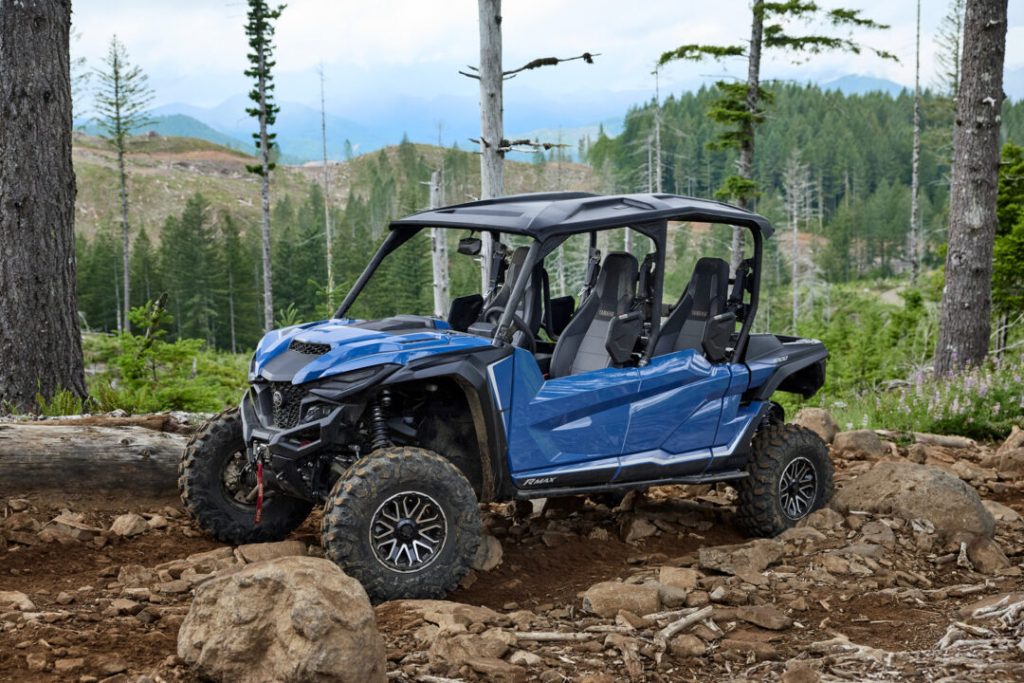
Yamaha Wolverine RMAX: The RMAX is designed for extreme off-road enthusiasts. With a bigger engine and a more robust suspension system, it delivers impressive performance in all conditions. The RMAX is known for its high clearance, which allows it to tackle even the toughest trails.

2. Yamaha Viking Series

The Yamaha Viking series is more focused on utility and workhorse capabilities. These models are built to take on heavy-duty tasks while providing comfort and dependability. They are often used in agriculture, construction, and other industries where hauling and towing are necessary.

Yamaha Viking: The standard model in this series is designed to handle tough jobs, whether you’re hauling heavy loads, working in the mud, or driving on uneven terrain. It has a comfortable cabin and a generous payload capacity, making it ideal for work-related tasks.

Yamaha Viking EPS: This variant comes with an electronic power steering (EPS) system that makes driving even easier, especially on rough terrain. It’s perfect for people who need a combination of utility and performance.

3. Yamaha YXZ1000R

The YXZ1000R is Yamaha’s flagship performance model. Designed specifically for enthusiasts who demand extreme power and speed, this model is perfect for high-performance off-road adventures. Equipped with a 1000cc engine and a 5-speed manual transmission, the YXZ1000R offers exceptional power and handling, making it one of the fastest and most agile side-by-sides available.

With its high-revving engine and manual transmission, this vehicle delivers an unmatched driving experience. It’s built for those who want a true sport-oriented side-by-side for extreme off-roading, trail racing, or rock crawling.

Key Features to Look for in a Yamaha Side-by-Side

When shopping for a Yamaha side-by-side, there are several key features you should keep in mind. These features not only enhance your experience but also play a significant role in the vehicle’s performance, comfort, and durability. Here are some essential features to consider:

1. Engine Performance

The engine is the heart of any off-road vehicle. Yamaha offers a range of engine sizes and types, from smaller engines designed for lighter tasks to larger, more powerful engines for extreme off-road adventures. Consider the terrain you plan to drive on and the load you’ll need to haul when choosing the engine size.

2. Suspension System

A good suspension system is crucial for handling rough trails and uneven terrain. Yamaha’s side-by-sides come equipped with high-quality suspension systems that absorb bumps and keep the ride smooth. Features like adjustable shock absorbers and long suspension travel help you maintain control and comfort on tough terrain.

3. Towing Capacity

If you plan to use your side-by-side for work or to haul equipment, towing capacity is a key factor to consider. Yamaha side-by-sides are designed with impressive towing capabilities, and different models come with varying levels of towing power.

4. Cabin Comfort

The comfort of the cabin can make a significant difference, especially if you’re going to be spending long hours on the trails or working on a job site. Look for features like adjustable seats, a well-designed steering wheel, and enough legroom for passengers. Yamaha’s side-by-sides offer spacious cabins with user-friendly controls.

5. Storage and Cargo Capacity

Many Yamaha side-by-sides come with ample storage space, whether you need to carry tools, camping gear, or other essentials. Consider the storage options available, including compartments, racks, and cargo beds, depending on your specific needs.

6. Off-Road Capability

A Yamaha side-by-side’s off-road capabilities are determined by factors like ground clearance, tire size, and driveline features. Models like the Wolverine RMAX feature high ground clearance, robust tires, and a 4WD drivetrain, allowing them to handle even the toughest terrain.

Yamaha Side-by-Side Maintenance Tips

Maintaining your Yamaha side-by-side is essential to keeping it running smoothly for years to come. Regular maintenance ensures that the vehicle remains in peak condition, performing well in all types of terrain and conditions. Here are some key maintenance tips:

1. Regular Oil Changes

Changing the oil and oil filter is crucial for keeping the engine in top condition. Make sure to follow Yamaha’s recommended maintenance schedule for oil changes based on the model and usage.

2. Inspect and Replace Air Filters

Dirty air filters can reduce engine performance and fuel efficiency. Regularly inspect your air filters and replace them as necessary to maintain engine power and efficiency.

3. Check the Battery

Keep an eye on the battery to ensure it’s charged and in good condition. Clean any corrosion from the terminals and check the battery’s voltage.

4. Tire Maintenance

Your tires are vital for maintaining traction and handling. Regularly check tire pressure and tread wear, and replace tires when they are worn out or damaged.

5. Grease and Lubrication

Lubricating the moving parts of your Yamaha side-by-side, such as the suspension components and driveline, ensures smooth operation and prevents excessive wear.

6. Cleaning

Regularly wash your side-by-side to remove dirt, mud, and debris. Not only will this help maintain its appearance, but it will also prevent dirt from interfering with critical components.

Why Choose Yamaha for Your Side-by-Side?

Yamaha has built a reputation for producing reliable, high-performance off-road vehicles that are designed to last. Here are some reasons why you should choose a Yamaha side-by-side:

1. Reliability

Yamaha is known for its reliability, and its side-by-sides are no exception. These vehicles are engineered to handle tough conditions, providing consistent performance in all environments.

2. Innovative Features

Yamaha is always at the forefront of innovation, introducing new features that enhance the off-roading experience. From advanced suspension systems to superior handling, Yamaha’s commitment to innovation sets it apart from competitors.

3. Variety of Models

With a wide range of models, Yamaha offers side-by-sides that suit different needs and preferences. Whether you need a utility vehicle for work or a high-performance machine for sport, Yamaha has a model for you.

4. Exceptional After-Sales Support

Yamaha’s strong after-sales support and network of dealerships ensure that you can get service and repairs whenever needed. Plus, the availability of parts and accessories makes it easy to maintain and customize your vehicle.

Conclusion

Yamaha side-by-sides are a great choice for those who want a durable, high-performance off-road vehicle. With a variety of models and configurations to choose from, Yamaha offers something for everyone, whether you’re looking for a utility vehicle for work or a high-performance machine for recreation. By following the tips in this Yamaha side-by-side guide, you’ll be able to select the right model, maintain your vehicle properly, and enjoy years of off-road adventures.

If you’re considering a Yamaha side-by-side, take the time to explore your options and find the one that best suits your needs. With their proven reliability, advanced features, and exceptional performance, Yamaha side-by-sides continue to be a top choice for off-road enthusiasts worldwide.
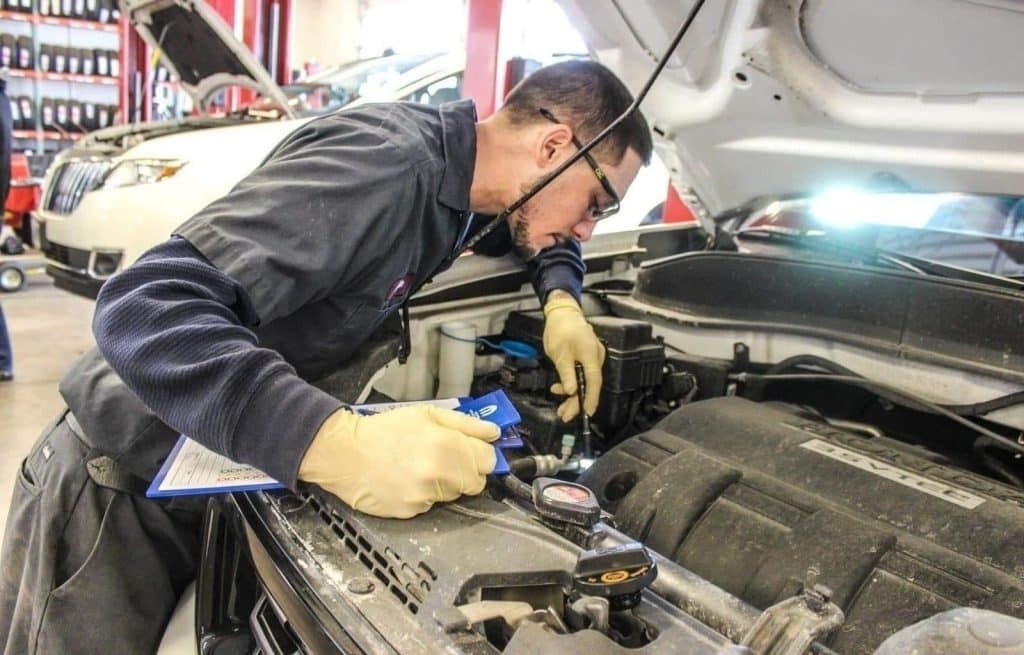
 

In the rapidly evolving realm of business mobility, the durability of corporate automobiles is critical to sustaining efficiency and reducing idle time. Not only is routine maintenance a good idea, but it’s also an essential tactic that may help companies save a lot of money in the long run. Making sure that transmission fluid is routinely inspected and updated as needed is one of the most important parts of car maintenance. Fleet managers and business owners looking to extend the life of their cars must comprehend the function of transmission fluid and how it affects vehicle performance. For expert assistance with your fleet, consider Auto Repair in Littleton, CO.

The Value of Fluid for Transmission

Transmission fluid performs several critical functions. It reduces transmission wear and friction by lubricating the moving parts and cooling the system. For optimal engine efficiency and performance, it simplifies gear changes. In a commercial vehicle environment with heavy loads and continuous operation, high-quality, properly kept transmission fluid is essential. Frequent inspections prevent costly repairs by immediately fixing leaks, pollution, and degradation.

The Repercussions of Ignorance

Not checking and maintaining transmission fluid in business vehicles can be disastrous. Low fluid levels can cause slipping gears, delayed shifting, or transmission failure. These issues threaten safety and may require costly repairs or replacements, hurting a company’s finances. Business downtime also reduces productivity and income. It’s more than annoying. Transmission fluid inspections can prevent these issues, enhancing vehicle reliability and protecting investments.

Putting a Maintenance Schedule in Place

A rigorous maintenance regimen that includes transmission fluid checks and changes must be implemented to extend company automobile longevity. Fleet managers should plan transmission fluid testing according to manufacturer standards and adjust for vehicle usage. This may require more regular inspections of cars operating in severe settings or with heavy loads. Maintaining fluid change and maintenance records can help monitor performance and discover issues before they escalate.

Driver Education and Consciousness

Educating drivers about transmission fluid can increase vehicle life. Drivers should be trained to spot transmission faults such odd noises or driving style changes. Encouraging drivers to report irregularities immediately can help diagnose and cure the problem before it worsens. A vehicle maintenance-focused organizational culture increases driver accountability and encourages proactive vehicle condition communication.

Conclusion

Regularly checking and fixing the transmission fluid in a car not only extends its lifespan but also has significant financial benefits. Businesses can benefit from increased operational efficiency and greater cash flow by lowering the chance of major repairs and disruptions. Moreover, well-kept cars often use less gasoline, which lowers overall operating expenses. In the end, maintaining transmission fluid on a regular basis demonstrates a proactive approach to fleet management, guaranteeing that business cars continue to be dependable, secure, and economical throughout their lives.


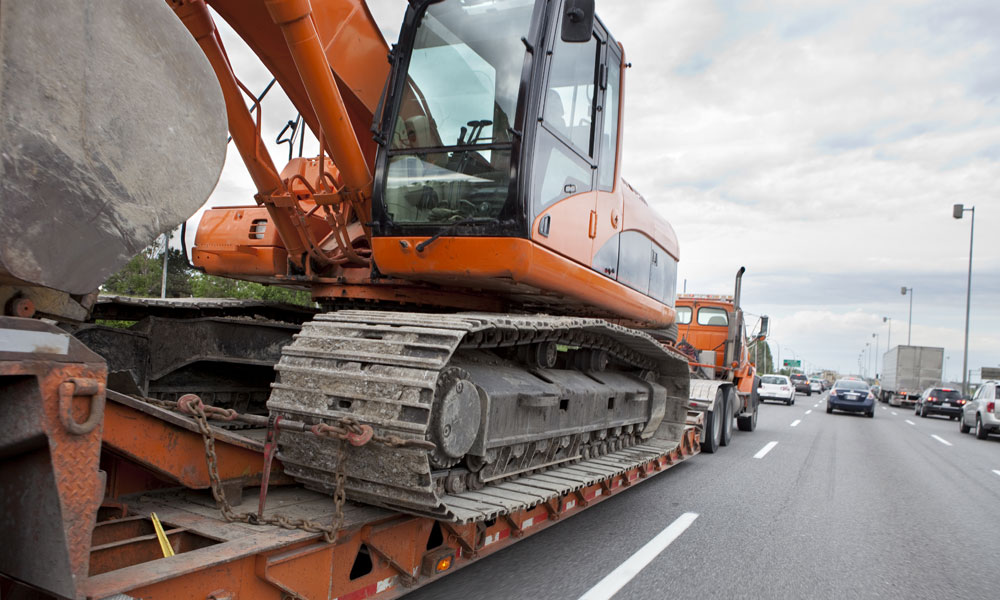
Transporting heavy equipment can be daunting, whether you need to move it across town or the country. Heavy machinery can be extremely challenging to move due to its weight, size, and delicate components. Fortunately, with the right preparation, equipment, and expertise, you can transport your heavy equipment safely and efficiently. This article will provide tips and guidelines for heavy equipment transportation in Detroit, MI.

Preparing Your Heavy Equipment for Transport

Before moving your heavy equipment, you must ensure it is prepared for transport. Here are some steps you can take:

  1. Clean and Inspect Your Equipment: Before transporting your heavy equipment, clean it thoroughly to remove any dirt, dust, or debris that may have accumulated. Also, inspect your machinery carefully for any damaged or loose components that may cause problems during transport.
  2. Drain the Fluids: Heavy equipment contains various fluids such as fuel, oil, and hydraulic fluid. Ensure you drain all the fluids before transport, as they can cause damage if they leak.
  3. Secure All Moving Parts: Secure all moving parts, such as booms, arms, and buckets, to prevent damage during transport.
  4. Reduce the Size: Disassemble your machinery to reduce size and weight, making it easier to transport.

Safety Measures for Heavy Equipment Transportation

Safety should be a top priority when transporting heavy equipment. Here are some safety measures to follow:

  1. Use the Right Equipment:Use the right equipment for loading, unloading, and transporting your machinery. This includes cranes, forklifts, and other specialized equipment.
  2. Secure Your Equipment: Secure your equipment carefully to prevent shifting or movement during transport. Use straps, chains, or other securement devices to keep your machinery in place.
  3. Follow Traffic Rules: Follow all traffic rules and regulations, including speed limits, weight limits, and height limits. Use pilot carsor escort vehicles to warn other drivers of your oversized load.
  4. Regularly Check Your Equipment:Regularly check your equipment during transport to ensure it is secure and in good condition. Check the straps, chains, and other securement devices for signs of loosening or damage. Also, check the tires, brakes, and other trailer components for any signs of wear or damage.
  5. Use Flaggers:Use flaggers to help guide your oversized load through intersections or other challenging areas. Flaggers can help ensure the safety of other drivers and pedestrians.
  6. Be Prepared for Emergencies:Be prepared for emergencies such as breakdowns, accidents, or other unexpected situations. Carry a first-aid kit, fire extinguisher, and other safety equipment in your vehicle. Also, have a plan in place for contacting emergency services if needed.

Costs of Heavy Equipment Transportation

The cost of heavy equipment transportation in Detroit, MI, can vary depending on several factors, such as the machinery’s size and weight, the transport’s distance, and the equipment needed for loading and unloading. Other factors affecting the cost include permits, escorts, and insurance.

To get an accurate estimate of the cost of transporting your heavy equipment, it’s essential to contact a transportation company for a quote. Make sure to provide accurate information about your machinery, including its size, weight, and any special handling requirements.

Heavy equipment transportation in Detroit, MI, requires careful planning, preparation, and execution. You can safely and efficiently transport your machinery by following the tips and guidelines in this article. Remember to choose a reputable transportation company, prepare your equipment, plan the route carefully, follow safety measures, and be prepared for emergencies.

Whether you need to transport a bulldozer, a crane, or any other heavy equipment, a professional transportation company can help you get it to its destination safely and efficiently. With the right preparation, equipment, and expertise, you can confidently move your heavy machinery, knowing it’s in good hands.

Knuckle boom trucks are valuable construction vehicles. In comparison to standard trucks, cargo that’s hauled together with your vehicles may be loaded and unloaded rapidly having its crane-like attachment. As with all truck that’s incorporated getting a boom, operating it’s risks however, accidents may be prevented while using implementation of some simple safety guidelines.

Common Accident Causes

Two most typical accidents involving boom trucks are tipping and boom breakage. These accidents frequently occur not due to the insufficient safety components across the vehicle speculate of human error. Listed here are the commonest reasons for accidents that occur while using the this vehicle.

Overloading – Among the finest accident culprits is overloading. Like several weight-bearing machinery, there’s a limitation regarding the amount weight a boom can securely carry. The structural integrity in the vehicle could only lift a good deal weight. With it beyond the simplicity of so that it was created could cause your truck using the idea to fall over or damage regions of the boom.

Lorry Tree Accident Photos - Free & Royalty-Free Stock Photos from  Dreamstime

Wrong Positioning – The safe and proper positioning within the boom can also be something that should be known. The quantity of pressure round the boom increases as it is gone after more vertical based position lower. Swinging it abruptly might also cause structural damage, because the weight within the load features a inclination to enhance because it gains momentum inside the boom’s movement.

Steep Terrain – This vehicle is just designed to pay attention to flat terrain or possibly in certain slope. Anything past the abilities as created with the maker could cause the vehicle to fall over. There’s only a particular margin where a boom can securely deviate inside the base center of gravity. By positioning the vehicle round the steep terrain, that time of safety factors lessened the like beyond it could cause the whole vehicle to fall over.

Proper Maintenance – One other reason for tip-over accidents or boom breakage is getting less maintenance. As with other bit of mechanical equipment, this vehicle requires regular maintenance to help keep its parts in good operating condition. For instance, getting less lube on moving parts could cause faster break-lower of individuals parts. The engine that drives the hydraulic system should also have regular tune-ups to make sure getting the opportunity to operate at its peak performance with no breakdowns.

Developing a boom truck safety process - SECURA Insurance

Safety Tips

Listed here are a couple of recommendations that may assist in stopping common knuckle boom accidents for example tipping and boom breakage, furthermore to improve the overall safety of workers and operators although at work.

Training – Any ambitious operator should first undergo training and certification before handling these vehicles. Per OSHA rules, all operators needs to be trained getting a professional institution prior to getting an itemized assessment exam there’s in addition a practical exam across the specific equipment the candidate uses. The assessment is handled by an impartial assessor that suits OSHA’s standards. During training, the candidate is going to be trained the do’s and don’ts of handling these vehicles combined with safety guidelines needed using this truck.