Transporting heavy equipment can be daunting, whether you need to move it across town or the country. Heavy machinery can be extremely challenging to move due to its weight, size, and delicate components. Fortunately, with the right preparation, equipment, and expertise, you can transport your heavy equipment safely and efficiently. This article will provide tips and guidelines for heavy equipment transportation in Detroit, MI.
Preparing Your Heavy Equipment for Transport
Before moving your heavy equipment, you must ensure it is prepared for transport. Here are some steps you can take:
- Clean and Inspect Your Equipment: Before transporting your heavy equipment, clean it thoroughly to remove any dirt, dust, or debris that may have accumulated. Also, inspect your machinery carefully for any damaged or loose components that may cause problems during transport.
- Drain the Fluids: Heavy equipment contains various fluids such as fuel, oil, and hydraulic fluid. Ensure you drain all the fluids before transport, as they can cause damage if they leak.
- Secure All Moving Parts: Secure all moving parts, such as booms, arms, and buckets, to prevent damage during transport.
- Reduce the Size: Disassemble your machinery to reduce size and weight, making it easier to transport.
Safety Measures for Heavy Equipment Transportation
Safety should be a top priority when transporting heavy equipment. Here are some safety measures to follow:
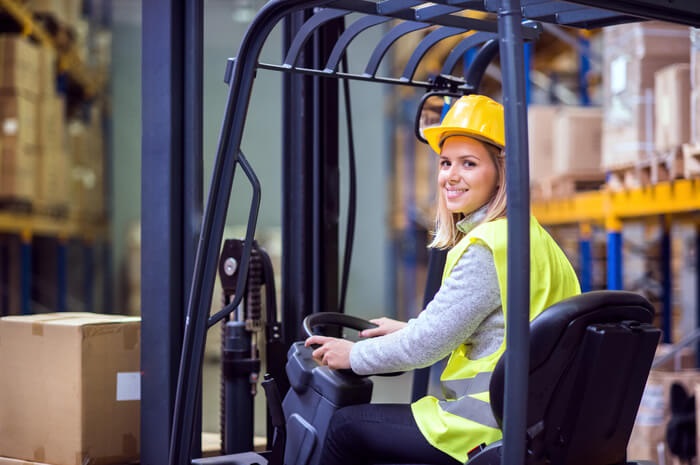
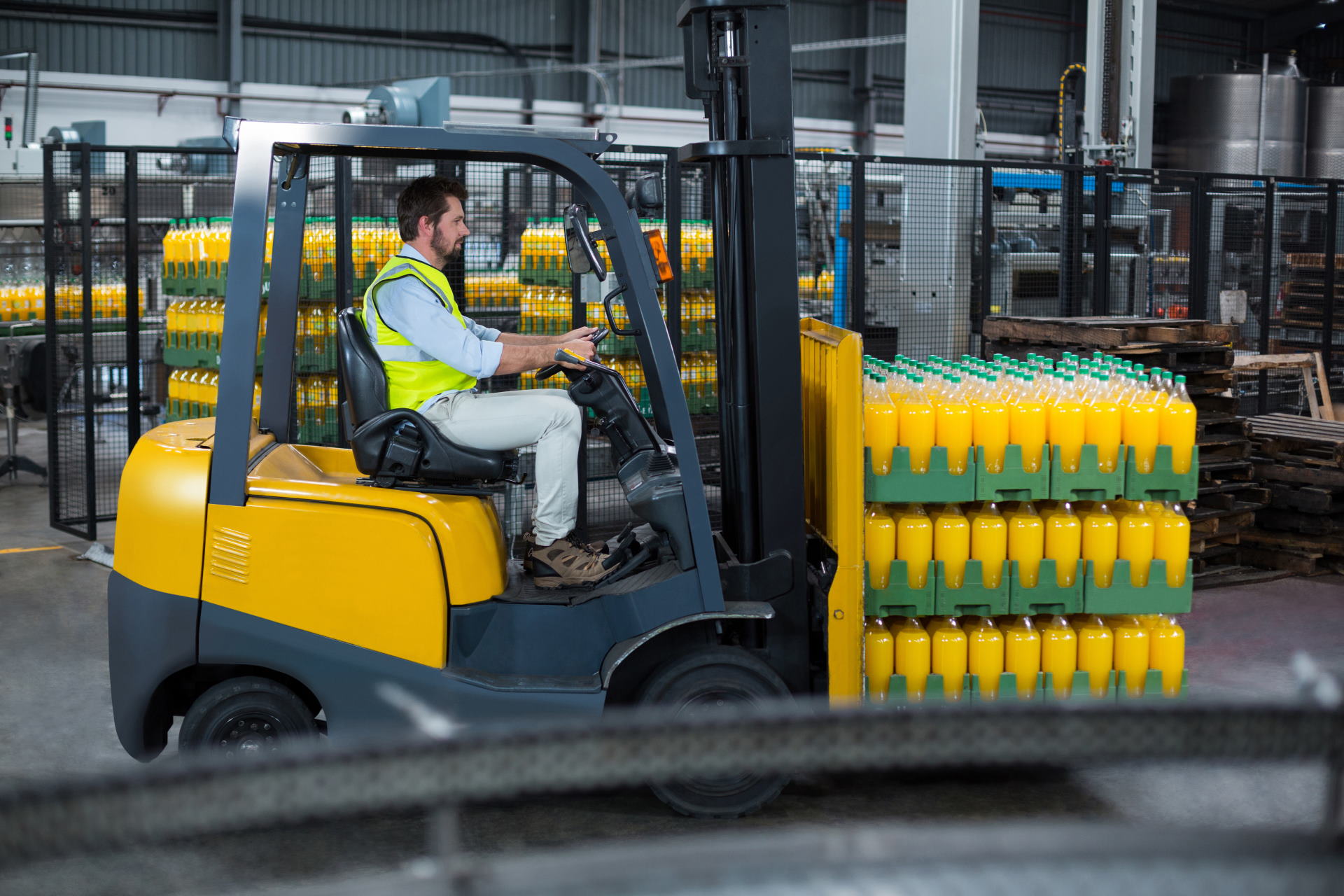
- Use the Right Equipment:Use the right equipment for loading, unloading, and transporting your machinery. This includes cranes, forklifts, and other specialized equipment.
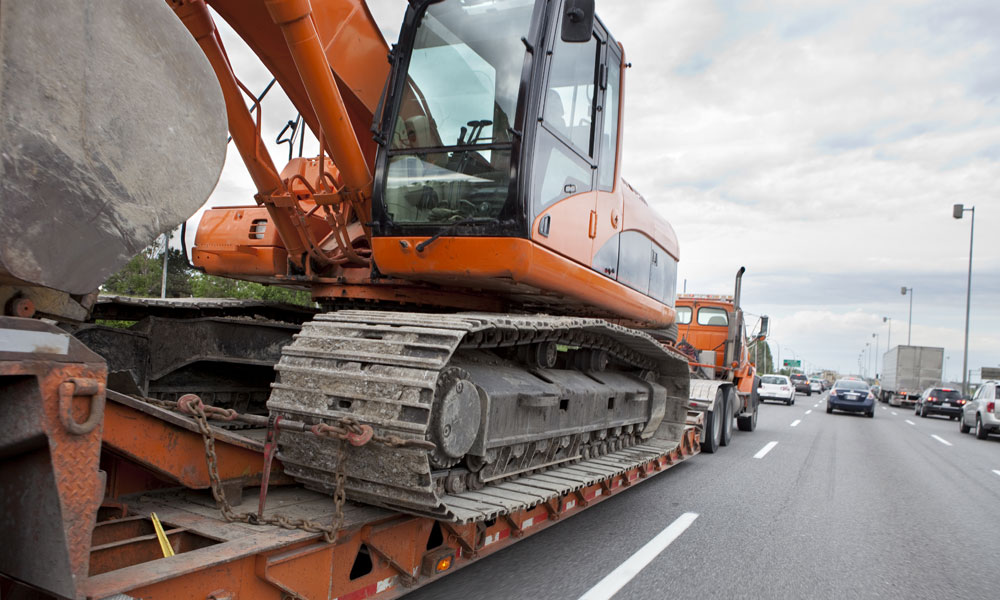
- Secure Your Equipment: Secure your equipment carefully to prevent shifting or movement during transport. Use straps, chains, or other securement devices to keep your machinery in place.
- Follow Traffic Rules: Follow all traffic rules and regulations, including speed limits, weight limits, and height limits. Use pilot carsor escort vehicles to warn other drivers of your oversized load.
- Regularly Check Your Equipment:Regularly check your equipment during transport to ensure it is secure and in good condition. Check the straps, chains, and other securement devices for signs of loosening or damage. Also, check the tires, brakes, and other trailer components for any signs of wear or damage.
- Use Flaggers:Use flaggers to help guide your oversized load through intersections or other challenging areas. Flaggers can help ensure the safety of other drivers and pedestrians.
- Be Prepared for Emergencies:Be prepared for emergencies such as breakdowns, accidents, or other unexpected situations. Carry a first-aid kit, fire extinguisher, and other safety equipment in your vehicle. Also, have a plan in place for contacting emergency services if needed.
Costs of Heavy Equipment Transportation
The cost of heavy equipment transportation in Detroit, MI, can vary depending on several factors, such as the machinery’s size and weight, the transport’s distance, and the equipment needed for loading and unloading. Other factors affecting the cost include permits, escorts, and insurance.
To get an accurate estimate of the cost of transporting your heavy equipment, it’s essential to contact a transportation company for a quote. Make sure to provide accurate information about your machinery, including its size, weight, and any special handling requirements.
Heavy equipment transportation in Detroit, MI, requires careful planning, preparation, and execution. You can safely and efficiently transport your machinery by following the tips and guidelines in this article. Remember to choose a reputable transportation company, prepare your equipment, plan the route carefully, follow safety measures, and be prepared for emergencies.
Whether you need to transport a bulldozer, a crane, or any other heavy equipment, a professional transportation company can help you get it to its destination safely and efficiently. With the right preparation, equipment, and expertise, you can confidently move your heavy machinery, knowing it’s in good hands.