Tag

Auto Repair

Browsing

When your car roof gets scratched or damaged, a quality repair means more than just fixing the dent or scratch — it’s about making the repair invisible. Matching the paint color perfectly to your car’s existing roof is essential to maintaining your vehicle’s appearance and value. Even a slight color mismatch can stand out, especially under different lighting conditions. Because car roofs are highly visible surfaces, repair shops invest heavily in precise paint matching technology to ensure that their fixes blend seamlessly with the original finish.

Understanding Modern Car Paint Technology

Car paint today is far more complex than just “red” or “blue.” Manufacturers use multiple layers, including primers, base coats, and clear coats, often with metallic or pearlescent finishes. The color formula varies depending on the car’s make, model, and year. This means each paint job has a unique blend of pigments and additives that create the final shade and finish. Understanding this layered structure is crucial for repair shops to replicate not only the color but also the texture and shine of the original roof paint.

How Paint Codes Guide the Process

Every vehicle comes with a paint code, usually found on a sticker inside the driver’s door jamb or under the hood. This code corresponds to the exact paint formula used during manufacturing. Repair professionals start by referencing this code to order or mix the correct base paint. However, paint codes are only the starting point. Over time, exposure to sun, weather, and wear can subtly change a car roof’s color, so matching the paint also involves adjusting the mix to mimic the aged finish on your vehicle. Going for the Auto Repair in Red Lion, PA based service would be the right step here.

Advanced Tools for Perfect Matching

Repair shops rely on sophisticated tools to fine-tune paint color. Spectrophotometers are devices that analyze the paint’s color by measuring the light reflected from the car roof. This technology helps identify subtle color variations that the human eye might miss. Technicians use this data to mix paint with pinpoint accuracy, adjusting pigments to match the vehicle’s current hue. The paint is then sprayed in test panels and compared under various lighting conditions, ensuring the final result looks flawless both indoors and outdoors.

The Finishing Touch: Blending and Clear Coating

After applying the matched paint, experts blend the repaired area into the surrounding roof to eliminate any visible transition lines. This step is vital for a smooth, continuous look. Finally, a clear coat is sprayed over the entire surface to protect the paint and give it a glossy finish that matches the rest of the roof. This layering also adds depth and durability to the paint job. Proper curing and polishing complete the process, resulting in a seamless repair that restores your car roof to showroom condition.

Conclusion

Car roof paint matching is a science as much as it is an art. Through detailed understanding of paint technology, use of precise codes, and advanced tools, repair shops achieve seamless results that preserve your vehicle’s beauty and value. Next time your car roof needs a touch-up, remember the careful craftsmanship behind that perfect color match.
Many contemporary car owners value the convenience of power seats. They provide easy adjustment for the best possible driving comfort, but when movement becomes unpredictable, jerky, or stops sometimes, they can soon become annoying. Restoring smooth, dependable seat operation begins with determining the underlying reason. It is imperative to address such concerns as soon as possible because failure to do so may result in additional damage and possibly expensive repairs. Finding the cause of the erratic seat movement requires a methodical approach.

Electrical Connections: Beginning the Inspection

A bad electrical connection is the most frequent cause of jerky power seat movement. To begin, physically examine the wire harness that joins the seat control switch and the seat motor. Check the terminals for corrosion, loose connections, or frayed wires. Try to move the seat by gently wriggling the cables and connectors. It is highly probable that there is a connectivity problem if the movement varies or momentarily gets better.

Seat Control Switch: A Prime Suspect

Another possible cause of the issue is the seat control switch itself. Debris, dust, and grime can build up inside the switch mechanism over time, making it more difficult for it to make steady contact. To get rid of any loose particles, try using compressed air to clean the switch. To verify continuity and appropriate voltage output when each of the seat’s adjustments are engaged, you can also test the switch with a multimeter. Since repair is frequently impractical, replacing the switch is usually the best course of action if it turns out to be defective.

Seat Motor and Gearbox: Mechanical Considerations

The problem can be with the seat motor or related gearbox if the electrical connections and switch seem to be in proper operating condition. The conversion of electrical energy into mechanical motion is the responsibility of these parts. The motor may deteriorate with time, leading to irregular operation or sporadic seizing. Likewise, the gearbox may have jerky movements due to junk build-up or damaged gears. As you move the seat, keep an ear out for any odd sounds coming from the motor. A gearbox issue may be indicated by clicking or grinding noises. At Auto Repair in Aurora, Co, skilled technicians use specialized tools and diagnostic equipment to precisely identify the issue and suggest the best course of action.

Conclusion

A certified automotive technician may need to diagnose more complex electrical or mechanical issues than simple home troubleshooting. If you’ve tried all the first tests and can’t figure out the jerky seat movement, obtain professional aid. A technician utilises diagnostic tools to pinpoint the problem and recommend a solution. They may also ensure that the seat works well and that replacement parts are installed properly.

Taillights are only one of several parts of a car that can be significantly impacted by summer heat. Over time, the extreme heat from the sun, together with the humidity and temperature changes, can harm taillights. To keep your car safe and visible on the road, you must be aware of how the summer heat impacts taillight function. Maintaining the effectiveness of your car’s lighting system and avoiding long-term damage can be achieved by taking the appropriate precautions to take care of your taillights during the hot months.

Heat-Related Damage to Taillight Lenses

Degradation of the taillight lenses is one of the most obvious effects of summer heat on taillights. Long-term exposure to high temperatures can break, discolor, or even fracture the plastic lens. The sun’s UV rays degrade the lens’s constituent components, causing fading or clouding that lessens the taillight’s efficacy. Further electrical or rust problems may arise from moisture seeping into the taillight assembly due to cracked or damaged lenses. Throughout the summer, it’s critical to routinely check the taillight lenses for wear or damage. For thorough inspection and repairs, visit a trusted European Auto Repair in Denver, CO, to keep your taillights in top condition.

Increased Risk of Bulb Burnout

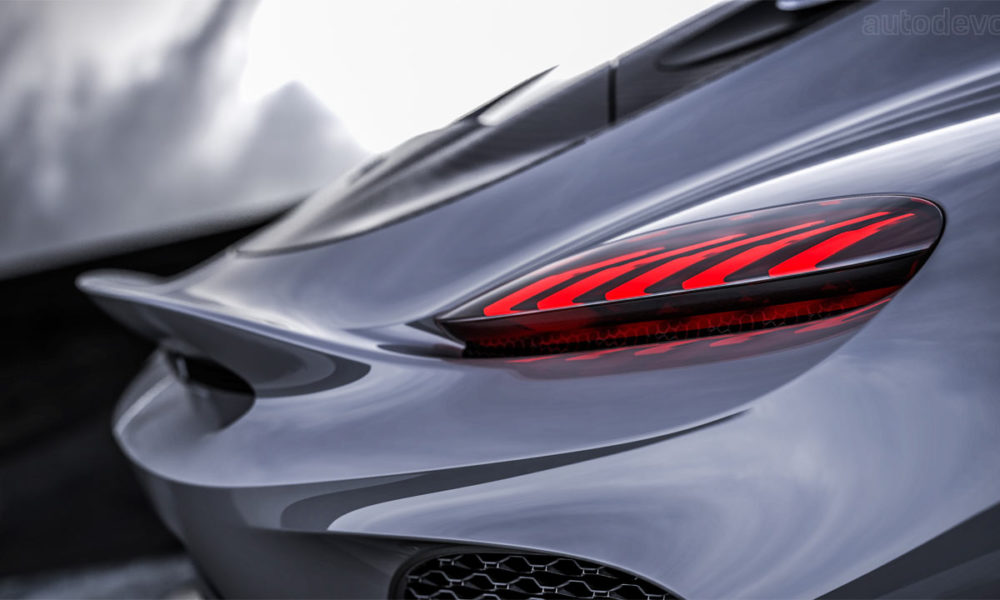
Taillights

Burnout of taillight bulbs is further accelerated by intense sun heat. The taillight housing’s enclosed space retains heat, which leads to overheating and stress on the sensitive electrical components inside. The filament and other components of the bulb may deteriorate due to this heat stress, causing an early failure. A burnt-out taillight impairs vision, especially at night, making it challenging for other drivers to determine a vehicle’s distance and intent. Proactive bulb replacement and routine inspections are essential safety procedures. By avoiding circumstances where the vehicle is difficult to distinguish in the dark, having functional taillights helps to prevent accidents and encourages safer driving conditions for all drivers.

Problems with Moisture and Condensation

Moisture-related problems might also affect taillights on hot summer days. Condensation may develop inside the lens as a result of temperature variations between the hot outside and cooler interior of the taillight housing. Trapped moisture can eventually cause fogging, electrical component corrosion, and even taillight system failure. Regular inspections for moisture accumulation and making sure the taillight housing is correctly sealed are crucial to preventing this.

Conclusion

A variety of problems with taillights, such as lens deterioration, bulb burnout, and moisture build-up, can be brought on by summer heat. Taillight maintenance and inspection on a regular basis might assist spot possible issues before they become more serious. The lifespan and functionality of the lighting system can be increased by making sure the taillights are clean, the lenses are in one piece, and the bulbs are operating correctly.