
Tag

AK

Browsing

In the evolving landscape of the automotive industry, a unique trend has emerged that bridges the past and the present—new old American auto parts. This concept, characterized by modern replacements for classic components, is revolutionizing how vintage and classic cars are maintained and restored. By combining contemporary manufacturing techniques with nostalgic designs, enthusiasts and restorers can now access high-quality parts that respect the heritage of American automobiles while meeting modern standards.

The Revival of Classic American Cars

American classic cars, with their distinctive design and historical significance, hold a cherished place in automotive culture. As these vehicles age, the demand for parts that preserve their original charm has surged. However, finding authentic parts for older models can be challenging. This is where the innovation of new old American auto parts comes into play. Manufacturers are now producing components that mirror the original specifications of classic vehicles, ensuring that restorations maintain their authenticity and performance.

Innovations in New Old Auto Parts

Modern technology has significantly enhanced the production of New old American auto parts. Advances in materials and manufacturing processes have enabled the creation of parts that not only look like their predecessors but also offer improved durability and performance. For example, new old engine components, such as pistons and camshafts, are crafted using state-of-the-art materials that resist wear and corrosion, extending the lifespan of vintage engines.

Similarly, advancements in electronic systems have allowed for the integration of modern technology into classic designs. Upgraded ignition systems and fuel injectors that fit classic models offer better efficiency and reliability while retaining the vintage aesthetic. This fusion of old and new technology ensures that classic cars can perform optimally while adhering to their historical roots.

The Role of Used Auto Parts

In the realm of maintaining and restoring classic cars, used auto parts play a crucial role. While new old American auto parts are a significant advancement, the availability of used parts remains invaluable for several reasons.

Affordability and Accessibility

Used auto parts are often more affordable than their new counterparts. For classic car restorers and enthusiasts working with limited budgets, used parts provide a cost-effective solution without compromising on quality. Many collectors and restorers turn to salvage yards and specialty stores to find rare or discontinued components that are no longer in production.

Authenticity and Originality

For purists, used auto parts offer the advantage of originality. Genuine parts from the same era as the vehicle ensure that restorations stay true to the car’s original specifications. This is particularly important for concours restorations, where authenticity is paramount. Used parts, especially those sourced from well-preserved vehicles, can be a perfect match for vintage models, maintaining the vehicle’s historical accuracy.

Sustainability

Utilizing used auto parts also aligns with sustainable practices. By reusing and recycling components, restorers contribute to reducing waste and minimizing the environmental impact associated with manufacturing new parts. This approach supports a circular economy within the automotive restoration industry.

Balancing New and Used Parts in Restoration Projects

The decision to use new old or used auto parts often depends on the specific needs of the restoration project. A balanced approach can be highly effective. For instance, critical components that experience significant wear, such as brake systems and suspension parts, may benefit from the enhanced performance and durability of new old parts. Conversely, for less critical or more aesthetic components, such as trim pieces and badges, high-quality used parts might be more appropriate.

Restorers often consult with experts to determine the best combination of new and used parts for their specific project. This ensures that the final restoration not only preserves the vehicle’s historical integrity but also enhances its functionality and longevity.

The Future of Auto Parts in Restoration

The trend of new old American auto parts is expected to continue evolving as technology advances and consumer demands shift. The automotive industry’s commitment to preserving classic vehicles while integrating modern innovations will likely lead to even more sophisticated parts and restoration techniques.

As the market for classic cars grows, so will the opportunities for both new and used auto parts to play a role in preserving automotive heritage. Enthusiasts and restorers will benefit from a diverse array of options, ensuring that classic American cars remain a testament to the ingenuity and craftsmanship of their time.

In conclusion, the convergence of new old American auto parts with used components highlights a dynamic approach to automotive restoration. By leveraging modern technology and respecting historical accuracy, this trend ensures that classic cars continue to be celebrated and enjoyed for generations to come.
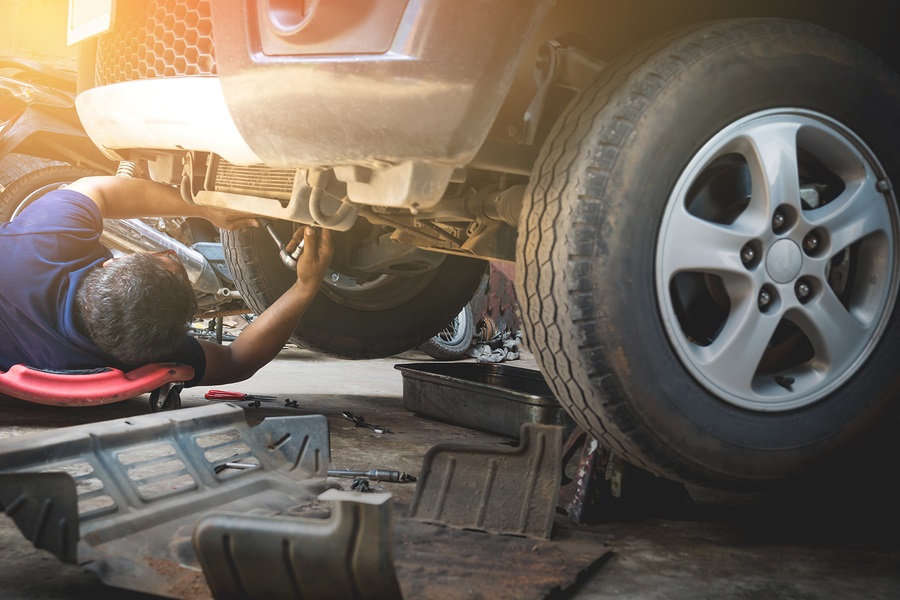

There are many advantages to upgrading your car’s exhaust system, from better performance to more appealing looks. Exhaust system improvements provide a number of alternatives to match your demands, whether you’re a performance enthusiast seeking for a power increase or a car owner wishing to give your vehicle a more aggressive appearance. This article examines the main enhancements that are available, how they affect performance, and how they might improve your car’s overall look.

Advantages of Aftermarket Exhaust Systems for Performance

Vehicle performance is one of the main reasons to upgrade an exhaust system. Exhaust flow is increased and back pressure is decreased using aftermarket exhaust systems, such as cat-back exhausts, performance mufflers, and high-performance headers. This increases the engine’s breathing capacity, which boosts horsepower and torque. By maximizing engine performance, a less restrictive exhaust system may also increase fuel economy. In order to find the best performance exhaust system for your car, take into account aspects like your driving style and performance objectives.

Custom Exhausts Can Improve Sound

The flexibility to customize your car’s sound is another compelling reason to upgrade your exhaust system. Compared to factory systems, custom exhaust systems might provide a more aggressive, sporty, or unique exhaust noise. Performance resonators and mufflers are important parts that affect the sound; they come in a variety of sounds, from aggressive and high-pitched to deep and throaty. You may customize the exhaust tone of some systems to your liking by adjusting the sound levels. To prevent any legal problems, make sure the exhaust system you choose for sound augmentation conforms with local noise standards.

Improvements in Aesthetics and Visual Appeal

Upgrades to your vehicle’s exhaust system may improve not just its performance and sound quality but also its appearance. Custom exhaust tips may give your car a more aggressive or fashionable appearance. They come in a variety of forms and finishes, including chrome, carbon fiber, and titanium. For such works the Auto Repair in Littleton, CO can be the best choice.

High-Performance Catalytic Converters’ Function

Another upgrade option that might enhance emissions and performance is high-performance catalytic converters. The purpose of these converters is to improve exhaust flow while maintaining compliance with pollution regulations. Compared to standard converters, they usually have a less restrictive core, which may lower back pressure and increase engine economy. Adding a high-performance catalytic converter to your exhaust system may enhance its performance and help your engine run more smoothly and powerfully.

Installation and Upkeep Points to Remember

Your exhaust system modifications will work best if they are installed and maintained properly. Expert installation guarantees that every part is positioned and fitted precisely, avoiding possible problems like misfitting or exhaust leaks. For your enhanced exhaust system to last a long time and function at its best, regular maintenance is necessary. This includes looking for leaks, corrosion, and damage. Routine checks may also guarantee that the system keeps functioning properly by spotting problems early on.

Your car should drive smoothly and quietly. However, every car owner knows that unexpected noises can disturb this quiet. Not all sounds are harmless; some indicate serious conditions that require prompt treatment. Understanding these noises might help you spot issues and avoid costly repairs. We’ll explain what sections of the car make common automotive noises like clunking, grinding, and screeching in this post.

Clunking Sounds

Vehicle clunking can be worrisome and suggest problems. Here are some common clunking causes:

Suspension System

The suspension system uses worn bushings to reduce noise and cushion the ride. When these bushings wear out, you may hear clunking over bumps. Car stabilization uses sway bar links. Clunking sounds can occur when turning or driving over uneven surfaces if they crack or loosen. Struts and shocks absorb road shock. If they fail, the wheels or undercarriage may clunk.

Steering System

In the steering system, worn tie rods connect the steering rack to the wheels. Clunking sounds might occur during sharp turns when they wear out. A loose steering rack might generate clunking sounds when you turn the wheel. Grinding sounds are usually worse and can signal technical problems with your car.

Brake System

One of the main reasons of grinding noises is worn brake pads. Grinding occurs when the metal backing plate contacts the braking rotor when the pads wear down entirely. Warped or broken brake rotors may cause grinding sounds when you press the brakes.

Transmission

Low transmission fluid can cause gearshift grinding. Avoiding further damage requires prompt action to this important condition. Transmission gears can wear out, causing grinding noises during gear shifts. Over time, engine belts like the serpentine belt and timing belt can wear out. Especially while starting or accelerating, a loose or worn belt can squeak. Misaligned belts screech. This commonly happens when belts are changed incorrectly.

See a Mechanic When

Some car noises are insignificant, while others may signify serious difficulties. Guidelines for when to see a Auto Repair in Fairbanks, AK mechanic:

  • A mechanic should be consulted if a noise persists despite your efforts to detect and fix it.
  • Professionals should investigate loud or unusual noises as they may indicate a significant issue.
  • If the noise causes steering or braking issues, seek help immediately.
  • If sound is accompanied by dashboard warning lights, get professional help.

Conclusion

Any car owner can benefit from decoding typical car sounds. Clunking sounds come from the suspension or steering, grinding sounds from the brakes, transmission, or wheel bearings, and screeching sounds from belts or brakes. If you’re unsure or the problem persists, visit a mechanic. This information can help you identify probable difficulties. Regular maintenance and responding to strange sounds helps keep your car running smoothly and safely.

Maintaining your car is one of the most important things you can do as a car owner. Of course, this is less of an issue when it comes to new or almost new vehicles. Many low mileage vehicles will still come with a manufacturer’s warranty. But when that expires and you’re on your own, it’s essential to keep up with your vehicle’s maintenance, including booking your car in for its yearly MOT. Alternatively, if you’re looking to avoid the hassle of car maintenance altogether, using a taxi service can be a convenient option. Whether you need a reliable York Taxi for local travel or a dependable taxi for airport transfers, choosing a professional taxi provider ensures safe and stress-free journeys.

Do I actually need a MOT?

Simply put, yes. It’s the law. All vehicles travelling on UK roads must be roadworthy. This is for the benefit of the vehicle’s owner and other road users. It’s important to note that getting an MOT isn’t the same as having your vehicle serviced. Whilst servicing is concerned with the overall mechanical health of your car, an MOT is designed to ensure that your vehicle is safe to drive.

How often my car requires the MOT test?

Whether you’ll need an MOT depends on your vehicle’s age. Vehicles under three years old don’t need an MOT. However, once a vehicle reaches three years of registration, an MOT is compulsory. If your vehicle passes the test, you’ll be issued with a certificate, which will last one year. Each owner must renew their vehicle’s MOT certificate before its expiry date, but you can only do this one month in advance. There are a few exceptions to this rule. Some vehicles require an MOT 12 months after their first registration, including: ambulances private passenger vehicles with over 16 seats, taxis.

What does an MOT look at?

When you arrive at your local garage for your MOT, you’ll be subjected to a variety of inspections to check whether your vehicle meets road safety and environmental standards. It’s important to note that the MOT is a minimum standard that all vehicles must meet at all times – it’s not a requirement to meet once a year. A range of specialist testing equipment will be used to examine everything from the vehicle’s bodywork to make sure there’s no excessive corrosion, exhaust emissions levels, safety of your seat belt, windscreen chips, and whether your horn works correctly.

What’s an approved test center?

Every garage that provides MOT Testing Station must have been approved by the DVSSA. Be sure to look out for the blue sign with 3 white triangles at your garage. Of course, it’s important that you can take your car to a service you can trust, and that’s where the good garage scheme comes in. Good Garage Scheme members must adhere to a stringent code of conduct. This gives you complete peace of mind.

What if my car fails MOT?

If your car doesn’t meet the minimum government safety and environmental standards then you won’t be able to drive it on the roads. It’s that simple. You can appeal a test result if you don’t like it, but most drivers will simply have their car serviced. Of course, it’s important to get your car serviced by a good garage.