Category

Auto

Category

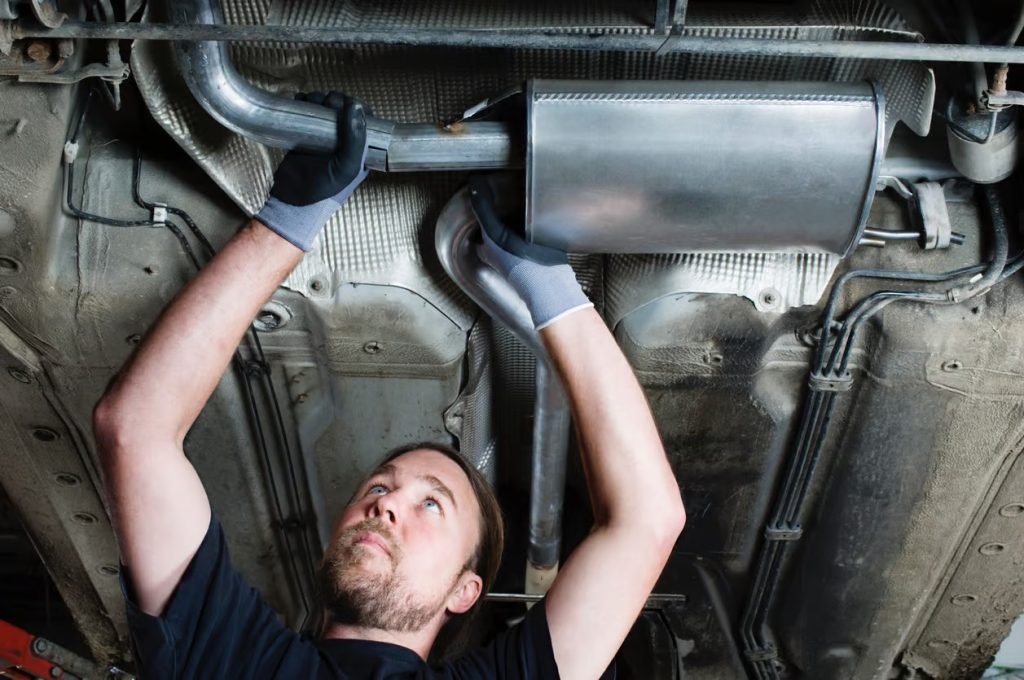
A rattling noise coming from your exhaust system can be a cause for concern. While it may seem like a minor annoyance, it can indicate deeper issues within the exhaust components, especially the catalytic converter. The noise is typically caused by loose or damaged internal parts, such as a broken or deteriorated catalytic converter substrate. Ignoring this sound can lead to further damage and costly repairs down the line, as internal parts may eventually break apart, obstructing the exhaust flow.

Possible Causes of the Rattle

The most common cause of a rattling noise from the exhaust system is a failing catalytic converter. Over time, the catalyst inside the converter, which is responsible for filtering harmful emissions, can degrade and break apart. This debris can rattle around inside the converter, causing the noise. Other causes include loose heat shields, damaged exhaust pipes, or issues with other components in the exhaust system, such as the muffler or exhaust manifold. Any of these problems can lead to further exhaust system malfunction if not addressed.

Impact on Engine Performance

A rattling catalytic converter or exhaust component can lead to significant engine performance issues. As internal parts of the converter break apart, debris can block the exhaust flow, increasing backpressure in the engine. This restriction can reduce engine efficiency, causing poor acceleration, decreased fuel economy, and even stalling. Ignoring these issues can not only lead to performance loss but also cause potential damage to the engine itself as the exhaust system works harder to push gases out. The Auto Repair in San Antonio, TX based services are quite important here.

Risks of Delaying Repairs

Delaying repairs when a rattling noise is heard from the exhaust system can lead to more severe consequences. If the damage is left unchecked, the internal parts of the converter or other components can cause total failure of the exhaust system, requiring a full replacement. In addition to the cost of repairs, ignoring a rattling noise could result in your vehicle failing an emissions test, leading to additional legal and financial complications. Furthermore, continued driving with a compromised exhaust system can affect the overall health of your engine.

When to Seek Professional Help

If you hear a rattling noise coming from your exhaust system, it’s essential to have it inspected by a professional mechanic as soon as possible. A qualified technician can diagnose the problem, identify the source of the noise, and recommend the necessary repairs. Early intervention can prevent more extensive damage to the exhaust system and engine, saving you money in the long run.

Conclusion:

A rattling noise from the exhaust system, particularly the catalytic converter, should never be ignored. It may signal internal damage that could lead to poor engine performance and expensive repairs if left unresolved. Early detection and professional inspection can save your vehicle from more severe damage and costly repairs.

Your car horn plays a vital role in ensuring safety on the road. It alerts other drivers, pedestrians, or cyclists of your presence, helping to prevent accidents or gain attention in critical situations. A horn’s sound is engineered to be loud, clear, and easily heard above other noise in traffic. However, when the tone of the horn begins to change, it may indicate an underlying problem. Understanding what different horn sounds mean can help you diagnose issues before they affect your ability to communicate on the road.

A Harsh or Distorted Sound

If your car horn sounds harsh, distorted, or out of tune, it could be a sign of mechanical damage. A common cause of this is a damaged diaphragm, the vibrating component inside the horn that generates sound. Over time, the diaphragm can bend, crack, or rust, causing irregular vibrations that produce a harsh tone. In some cases, debris, dirt, or moisture can enter the horn unit, causing internal components to malfunction and resulting in a distorted sound. If the tone sounds rattly or buzzy, it’s time to check the horn unit for possible physical damage or blockages. Choosing the European Auto Repair in Liberty, MO based service is quite important. In this case.

A Weak or Faint Horn

When the horn sounds weak or barely audible, it typically indicates electrical issues. This can happen due to poor connections in the wiring or corrosion on the horn’s terminals. Over time, exposure to moisture and road salt can cause electrical components to degrade, restricting the power flow to the horn. Similarly, a failing relay or blown fuse could also be the culprit, as these components control the power delivery to the horn. If your horn is making a sound but it’s not as loud or clear as it should be, it’s likely time to inspect the electrical system for faults.

A Raspy or Guttural Tone

If your car horn is emitting a raspy or guttural sound, it could indicate a problem with the horn’s internal mechanism or air supply. This could be caused by dirt, moisture, or debris buildup within the horn, obstructing airflow and preventing the diaphragm from vibrating correctly. Rust or corrosion inside the horn unit can also cause the components to become sluggish, resulting in a rough tone. A lack of regular maintenance can exacerbate these issues, so it’s important to clean the horn assembly periodically and ensure it remains free from obstruction.

Diagnosing and Addressing Horn Issues

Understanding the sound your horn makes can provide crucial insights into its health. Whether it’s a harsh, weak, or raspy tone, each variation signals a specific issue that requires attention. Regular maintenance, including cleaning and checking the electrical connections, can help prevent many horn problems. If your horn’s tone is still off after performing basic checks, it may be best to consult a mechanic to diagnose and fix the underlying issue. By paying attention to your horn’s sound, you can ensure it remains an effective safety tool on the road.


An essential part of a car’s exhaust system, the exhaust manifold directs exhaust gasses from the engine cylinders into the exhaust pipe. It is essential for controlling emissions and making sure the engine runs well. The exhaust system, including the manifold, is examined during vehicle inspections to make sure it complies with safety and environmental regulations. Damage to the exhaust manifold may result in a failed inspection because of issues with emissions and performance. For expert care and compliance, consider services like European Auto Repair in Rocklin, CA, to address any exhaust system concerns.

How Exhaust Manifold Damage Affects Emissions

Emissions levels are among the most important variables affecting the results of vehicle inspections. Improper exhaust flow from a damaged exhaust manifold can have a direct impact on the catalytic converters and other emissions-related components’ efficiency. Exhaust gases are released too soon when the manifold leaks or cracks, avoiding the required filtration and treatment steps. Higher concentrations of dangerous pollutants, such as hydrocarbons, nitrogen oxides, and carbon monoxide, which are frequently found during emissions testing, result from this. It is highly likely that a car that emits excessive amounts of pollutants will not pass the inspection.

Engine Performance and Inspection Failures

The detrimental effect on engine performance is another reason exhaust manifold damage may result in an inspection failure. Poor acceleration, rough idling, and engine misfires can all be caused by a broken or leaking manifold. The vehicle’s check engine light may illuminate as a result of these performance concerns, alerting the inspection to possible flaws. Because it impacts the exhaust system as a whole, an engine that isn’t operating smoothly or effectively is likely to fail an emissions test.

Compromised Safety Due to Exhaust Leaks

Leaks from exhaust manifolds may potentially pose a safety risk. Hazardous fumes could enter the cabin if exhaust gasses leak too soon, particularly if the manifold is close to the inside of the car. This may expose people to harmful gasses, such as carbon monoxide, which can lead to poisoning. Vehicles with possible health risks frequently fail the inspection process until the problem is fixed. Safety issues, such as exhaust leaks, are addressed carefully during vehicle inspections.

How to Prevent Exhaust Manifold Damage during Inspections

Frequent maintenance and early discovery are crucial for preventing inspection failures associated with exhaust manifold damage. Examining the manifold for leaks, rust, or cracks might assist avoid serious damage. It’s crucial to have your exhaust system checked before your planned car inspection if you detect any odd engine noises, odors, or poor performance.

Conclusion

Vehicle inspections can be greatly impacted by broken exhaust manifolds since they reduce emissions, performance, and safety. Timely repairs and regular maintenance are essential to keeping your car in good condition overall and passing inspections.


Often ignored when buying a secondhand automobile, the air conditioning system is among the most crucial elements, particularly in hot areas.  A defective A/C can cause costly repairs and make driving unpleasant.  Before finalizing the sale, if you are thinking about purchasing used cars in austin or elsewhere, it is absolutely essential to verify the air conditioning is operational.  Knowing how to correctly evaluate the A/C system will allow you to avoid future problems and enable you to make a more informed decision.

Examine the A/C Temperature

Turning on the A/C and changing the temperature is one of the easiest methods to determine its operation.  Turn the air conditioning to its coldest setting after starting the car and letting it idle for a minute.  To sense the air movement, hold your palm close to the vents.  It should be chilly, not lukewarm or warm.  The A/C system could be faulty if the air is not cooling down; possible causes include low refrigerant or a damaged compressor.

Check the airflow from the vents and A/C Vents

Then, examine the vent’s airflow.  A good air conditioning system should provide a strong, continuous flow of air.  Weak or irregular airflow may indicate duct clog or blower motor failure.  Make sure the air is also being properly directed through the vents and not deflecting in the incorrect direction, which would indicate a system issue as well.

Look for Odd Smells

Run the air conditioning on and off several times to check for any odd smells.  A musty or moldy scent could indicate mold development within the A/C system, which is not only annoying but also dangerous to your health.  A bad smell could suggest the need for a professional cleaning; in certain situations, it could suggest more serious problems including a clogged drain or leaking coolant.

Should you be considering used cars in austin, requesting the maintenance records of the vehicle is advisable.  This can let you know whether the car has been well-maintained or serviced in the past and its A/C repair history.

Always check the air conditioning to make sure it is functioning before buying a secondhand automobile.  Testing the A/C takes some work, but it can help you avoid expensive problems later on and guarantee your coolness during those sweltering summer journeys.  Should you see any of the aforementioned red flags, it would be advisable to have the car evaluated by a specialist prior to completing the purchase.

Many contemporary car owners value the convenience of power seats. They provide easy adjustment for the best possible driving comfort, but when movement becomes unpredictable, jerky, or stops sometimes, they can soon become annoying. Restoring smooth, dependable seat operation begins with determining the underlying reason. It is imperative to address such concerns as soon as possible because failure to do so may result in additional damage and possibly expensive repairs. Finding the cause of the erratic seat movement requires a methodical approach.

Electrical Connections: Beginning the Inspection

A bad electrical connection is the most frequent cause of jerky power seat movement. To begin, physically examine the wire harness that joins the seat control switch and the seat motor. Check the terminals for corrosion, loose connections, or frayed wires. Try to move the seat by gently wriggling the cables and connectors. It is highly probable that there is a connectivity problem if the movement varies or momentarily gets better.

Seat Control Switch: A Prime Suspect

Another possible cause of the issue is the seat control switch itself. Debris, dust, and grime can build up inside the switch mechanism over time, making it more difficult for it to make steady contact. To get rid of any loose particles, try using compressed air to clean the switch. To verify continuity and appropriate voltage output when each of the seat’s adjustments are engaged, you can also test the switch with a multimeter. Since repair is frequently impractical, replacing the switch is usually the best course of action if it turns out to be defective.

Seat Motor and Gearbox: Mechanical Considerations

The problem can be with the seat motor or related gearbox if the electrical connections and switch seem to be in proper operating condition. The conversion of electrical energy into mechanical motion is the responsibility of these parts. The motor may deteriorate with time, leading to irregular operation or sporadic seizing. Likewise, the gearbox may have jerky movements due to junk build-up or damaged gears. As you move the seat, keep an ear out for any odd sounds coming from the motor. A gearbox issue may be indicated by clicking or grinding noises. At Auto Repair in Aurora, Co, skilled technicians use specialized tools and diagnostic equipment to precisely identify the issue and suggest the best course of action.

Conclusion

A certified automotive technician may need to diagnose more complex electrical or mechanical issues than simple home troubleshooting. If you’ve tried all the first tests and can’t figure out the jerky seat movement, obtain professional aid. A technician utilises diagnostic tools to pinpoint the problem and recommend a solution. They may also ensure that the seat works well and that replacement parts are installed properly.

Living in a hot climate presents unique challenges for vehicles, and one often overlooked aspect is the accelerated wear and tear on windshield wiper blades. The intense sunlight, combined with soaring temperatures, significantly degrades the rubber compound of the blades, leading to a shorter lifespan compared to regions with milder weather. Ultraviolet (UV) radiation from the sun is a primary culprit. This radiation breaks down the chemical bonds within the rubber, causing it to harden, crack, and lose its flexibility. This process, known as UV degradation, is amplified in areas with high UV indices, resulting in wiper blades becoming brittle and ineffective at clearing the windshield.

Heat’s Deforming Effect

High temperatures exacerbate the problem. The heat causes the rubber to soften and become pliable initially, but repeated exposure leads to permanent deformation. Wiper blades left resting on a hot windshield can become misshapen, developing curves or bends that prevent them from making consistent contact with the glass. This uneven contact results in streaking, smearing, and reduced visibility, especially during rain or when clearing away dust and debris. The heat also accelerates the evaporation of the protective oils and additives within the rubber compound, further contributing to its hardening and cracking.

Ozone and Environmental Factors

In urban environments with scorching temperatures, ozone, a common pollutant, accelerates wiper blade deterioration. Ozone molecules aggressively attack the rubber composition of the blades, triggering premature cracking and weakening. Simultaneously, the arid conditions often prevalent in these regions introduce a barrage of dust, sand, and other microscopic airborne particles. These particles act as relentless abrasives, scouring the delicate rubber surface with each swipe across the windshield. This constant friction progressively wears down the blade’s crucial wiping edge, diminishing its capacity to efficiently clear rain, dirt, and debris, ultimately compromising visibility and driving safety. Opting for Auto Repair in Mesa, AZ based service is essential here.

Preventative Measures for Longevity

Prolonging the lifespan of your wiper blades, despite the relentless assault of heat and sun, is achievable with simple preventative measures. Regularly cleaning your windshield is crucial, removing abrasive dirt, pollen, and debris that accelerate wear. Aim to park your vehicle in shaded areas as much as possible, shielding your wipers from direct sunlight’s damaging UV rays. Furthermore, utilizing windshield sunshades can significantly reduce the interior temperature of your car, minimizing heat exposure for your blades. As a proactive measure, consider periodically lifting your wiper blades off the windshield, especially when parking for extended durations. This prevents them from baking directly on the hot glass, a common cause of premature degradation.

Choosing Durable Replacements

Selecting high-quality wiper blades designed for hot climates is crucial. Look for blades made with synthetic rubber compounds that are more resistant to UV radiation, heat, and ozone. Some blades also have a protective coating that reduces surface wear. Ultimately, regular inspection and replacement of your wiper blades are essential for maintaining safe visibility on the road, especially in challenging hot weather conditions.

As temperatures plummet and winter’s icy grip tightens, protecting your vehicle’s vital systems becomes paramount, with power windows often overlooked. Neglecting winter preparation can cause frustrating malfunctions, costly repairs, and even permanent damage. Icy conditions can freeze window mechanisms, straining motors and potentially breaking seals. Fortunately, simple preventative measures can ensure smooth, reliable operation throughout the season. Regularly cleaning window tracks of debris prevents ice buildup. Applying silicone-based lubricant to rubber seals keeps them pliable and prevents sticking. Avoid forcing frozen windows as this can damage the motor or regulator. By taking these proactive steps, you can safeguard your power windows and avoid unexpected expenses and inconveniences during the winter months.

The Silent Threat: How Cold Impacts Power Windows

Cold weather presents several challenges to your car’s power windows. The rubber seals surrounding the windows can become brittle and inflexible in freezing temperatures, leading to cracks or tears. Moisture trapped within the window mechanism, such as condensation or rainwater, can freeze and expand, putting immense pressure on the motor, regulator, and glass. Attempting to operate frozen windows can strain these components, potentially causing them to break or malfunction. Furthermore, the window tracks can accumulate ice and grime, hindering the smooth movement of the glass.

Lubrication is Key: Keeping Mechanisms Flexible

Auto Repair

One of the most effective ways to winterize your power windows is to lubricate the window tracks and seals. Using a silicone-based lubricant, carefully spray along the rubber seals, the window channels, and any visible moving parts within the door frame. Silicone lubricant is ideal because it resists freezing, repels moisture, and won’t attract dirt like petroleum-based products. This lubrication will prevent seals from sticking to the window glass, reducing the risk of tears and ensuring smoother operation.

Preventing Ice Buildup: Avoiding Frozen Windows

Preventing ice from forming on your windows and within the mechanisms is critical. Consider applying a water-repellent treatment to the exterior of your windows. This will help prevent water from freezing and adhering to the glass. Before parking your car for an extended period, especially during freezing weather, make sure to thoroughly dry your windows. Leave your car parked in a garage to avoid the weather. If you suspect that ice has formed within the window tracks, avoid forcing the windows open. Rather hire the Auto Repair in Lawndale, CA based services.

Proactive Maintenance: Catching Problems Early

Regularly inspecting your power windows for any signs of wear and tear can help you identify and address potential problems before they become major issues. Check the rubber seals for cracks, tears, or dryness. Listen for any unusual noises, such as grinding or clicking, when operating the windows. If you notice any of these symptoms, it’s best to consult a qualified mechanic. They can diagnose the issue and perform necessary repairs or replacements. Don’t neglect your power windows this winter.

For first-time purchasers searching for a dependable and reasonably priced car especially, buying a used truck might be a profitable investment. Without the correct knowledge and preparation, though, the procedure can be taxing. Before making a purchase, you should weigh many elements to guarantee you make a wise choice. Explore used trucks in dallas and choose from models that suit your lifestyle, from towing capacity to off-road capabilities. These are some important pointers to enable you to confidently negotiate the world of secondhand trucks.

Examine the vehicle. Thoroughly 

When you come upon a used truck that appeals to you, be sure to give it close examination. Look for any evidence of wear and tear, rust, or body damage.  Examining the undercarriage, brakes, and tires will help you to often find the actual state of the car. Ask the seller about its maintenance history and seek documentation if available.  Should you be unsure about the mechanical state, think about having a reliable mechanic check before making a purchase.

Think about your budget.

Shopping for a used truck requires a well defined budget. Keep in mind extra costs such insurance, taxes, registration fees, and possible repairs beyond the vehicle’s initial outlay. Be reasonable about your affordability, and resist the need to overreach your means. The thrill of buying a truck might easily overwhelm you, but sticking within your means will help to guarantee that you won’t find yourself in unanticipated financial hot water later on.

Take It for a Test Drive

One of the most important steps in the buying process is taking the truck for a test drive. This will allow you to assess its performance on the road and get a feel for how it handles. Watch the truck’s driving; listen for any odd sounds; check the brakes, steering, and transmission. A test drive also helps you evaluate the comfort and suitability of the truck for your needs.

Buying a used truck requires careful thought and consideration, especially for first-time buyers. You can make a wise choice by completing extensive research, looking over the car, keeping within budget, assessing its past, and test driving it. A bit of patience and diligence will help ensure that you find a reliable and affordable truck that meets your needs for years to come. Purchasing used trucks in dallas is a smart way to save money while getting a reliable, high-performance vehicle.


Gone are the days of awkwardly wrestling with manual levers to adjust your car seat. Power seats have revolutionized the driving experience, offering unparalleled convenience and comfort. With the touch of a button, drivers and passengers can effortlessly adjust the seat’s position, including height, lumbar support, and tilt. This level of customization allows for a personalized fit that caters to individual body types and preferences, reducing fatigue and promoting proper posture on long journeys.

Some advanced power seat systems even incorporate memory functions, allowing multiple drivers to save their preferred settings for automatic recall. This feature is particularly useful in households with shared vehicles, eliminating the need for constant readjustments. Furthermore, power seats contribute to overall safety by enabling drivers to maintain an optimal driving position, ensuring a clear view of the road and easy access to controls. If your power seat system experiences issues, seeking professional Auto Repair in Hutto, TX can help restore its functionality and ensure a comfortable driving experience.

Beyond Illumination: The Evolution of Car Lighting

Car lighting has progressed beyond providing visibility.  Modern cars have advanced lighting systems for safety, aesthetics, and driver aid.  Modern headlights use adaptive beam management to maximize visibility without blinding oncoming cars.  Daytime running lights (DRLs) improve visibility during daylight, reducing accidents.  LED taillights are brighter and faster than standard bulbs, allowing trailing vehicles to react faster.  LEDs allow automakers to generate unique light signatures that reinforce brand identity.

Ambient Lighting: Creating a Personalized Interior Atmosphere

Beyond functional lighting, ambient lighting has emerged as a key element in enhancing the in-car experience. Strategically placed LEDs illuminate door panels, dashboards, and footwalls, creating a soft and inviting atmosphere. Many vehicles offer a range of color options, allowing drivers to customize the interior lighting to match their mood or personal style. Some systems even sync the ambient lighting with the vehicle’s driving mode or audio system, creating a dynamic and immersive experience.

Interactive Lighting: Enhanced Communication and Safety

Car lighting is becoming increasingly interactive, playing a role in communication and safety beyond simple illumination. For example, some vehicles use exterior lighting to indicate braking or turning intentions, improving visibility for pedestrians and cyclists. Interior lighting can also provide alerts, such as illuminating a warning light to indicate a malfunction or flashing a signal to warn of an incoming call. These features enhance situational awareness and promote safer driving habits.

Conclusion

The future of car lighting and seating technologies promises even greater advancements. Expect further integration of AI and sensors to create intelligent systems that anticipate driver needs and adjust accordingly. Seating could incorporate advanced pressure sensors to monitor posture and provide real-time feedback, while lighting may utilize holographic projections to display information or create immersive experiences. These innovations will continue to revolutionize the driving experience, making it safer, more comfortable, and more enjoyable.

Taillights are only one of several parts of a car that can be significantly impacted by summer heat. Over time, the extreme heat from the sun, together with the humidity and temperature changes, can harm taillights. To keep your car safe and visible on the road, you must be aware of how the summer heat impacts taillight function. Maintaining the effectiveness of your car’s lighting system and avoiding long-term damage can be achieved by taking the appropriate precautions to take care of your taillights during the hot months.

Heat-Related Damage to Taillight Lenses

Degradation of the taillight lenses is one of the most obvious effects of summer heat on taillights. Long-term exposure to high temperatures can break, discolor, or even fracture the plastic lens. The sun’s UV rays degrade the lens’s constituent components, causing fading or clouding that lessens the taillight’s efficacy. Further electrical or rust problems may arise from moisture seeping into the taillight assembly due to cracked or damaged lenses. Throughout the summer, it’s critical to routinely check the taillight lenses for wear or damage. For thorough inspection and repairs, visit a trusted European Auto Repair in Denver, CO, to keep your taillights in top condition.

Increased Risk of Bulb Burnout

Taillights

Burnout of taillight bulbs is further accelerated by intense sun heat. The taillight housing’s enclosed space retains heat, which leads to overheating and stress on the sensitive electrical components inside. The filament and other components of the bulb may deteriorate due to this heat stress, causing an early failure. A burnt-out taillight impairs vision, especially at night, making it challenging for other drivers to determine a vehicle’s distance and intent. Proactive bulb replacement and routine inspections are essential safety procedures. By avoiding circumstances where the vehicle is difficult to distinguish in the dark, having functional taillights helps to prevent accidents and encourages safer driving conditions for all drivers.

Problems with Moisture and Condensation

Moisture-related problems might also affect taillights on hot summer days. Condensation may develop inside the lens as a result of temperature variations between the hot outside and cooler interior of the taillight housing. Trapped moisture can eventually cause fogging, electrical component corrosion, and even taillight system failure. Regular inspections for moisture accumulation and making sure the taillight housing is correctly sealed are crucial to preventing this.

Conclusion

A variety of problems with taillights, such as lens deterioration, bulb burnout, and moisture build-up, can be brought on by summer heat. Taillight maintenance and inspection on a regular basis might assist spot possible issues before they become more serious. The lifespan and functionality of the lighting system can be increased by making sure the taillights are clean, the lenses are in one piece, and the bulbs are operating correctly.