I work with diesel topics often enough to know that most people reading this already understand the basics. You know cold fuel causes problems. You know injectors need protection. You want your engine to start, idle clean, and stay reliable when temperatures drop. My role here is to help you think clearly about diesel additives, how to judge them, and why certain options stand out based on formulation and track record.
When I evaluate products, I focus on how they perform across real conditions, not labels or claims. That includes how well they prevent gelling, how they handle water, how they protect injectors, and whether they stay safe for modern emissions systems. Early in that process, I often point people toward the best diesel anti gel options that solve multiple fuel problems at once instead of stacking additives that fight each other.
This guide walks you through diesel additives, diesel lubricity additives, anti-gel diesel additives, and how to judge what belongs in your tank.
Why Diesel Additives Matter Year Round
Diesel fuel changes with temperature, storage time, and blend type. Even clean fuel can degrade once it sits or encounters moisture. Additives exist to control those changes before they turn into mechanical problems.
A solid diesel additive should help with:
- Fuel stability during storage
- Water control to reduce corrosion and filter icing
- Injector cleanliness
- Lubrication for pumps and injectors
- Cold weather flow protection
I look for products that address these areas without relying on alcohol or harsh solvents. Those ingredients can dry seals, reduce lubricity, and create long term issues.
Understanding Diesel Lubricity Additives
Modern diesel engines depend on fuel for lubrication. Ultra low sulfur diesel removed much of that natural protection. That makes lubricity additives critical, not optional.
A diesel lubricity additive should protect:
- High pressure fuel pumps
- Injector tips
- Upper cylinder components
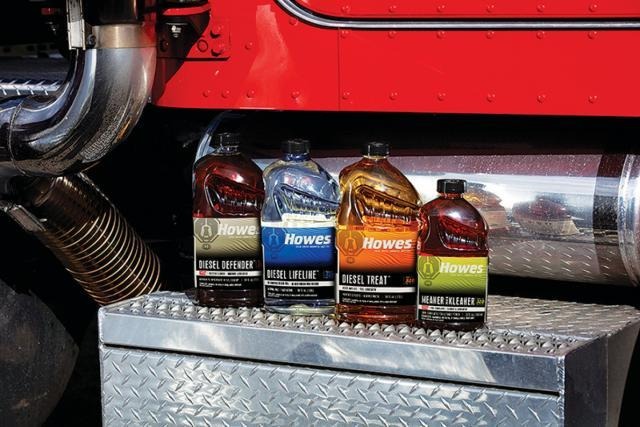
I pay close attention to measured lubricity improvement, not vague promises. Products like Howes Diesel Defender stand out here because they deliver significantly higher lubricity levels than many alternatives while also cleaning injectors using detergent technology designed for diesel systems.
Cleaner injectors improve spray patterns. Better spray patterns improve combustion. That leads to smoother operation, lower emissions, and improved fuel economy.
What an Anti-Gel Diesel Additive Must Do
Cold weather separates effective products from weak ones. Wax crystals form as fuel cools. If they grow unchecked, filters clog and fuel stops flowing.
A proper anti-gel diesel additive must:
- Prevent wax crystals from forming
- Keep fuel flowing through filters
- Work at very low temperatures
- Remain safe for biodiesel blends
I avoid additives that rely on alcohol. Alcohol can create short term flow improvements but often causes water separation issues later. Non-alcohol formulas that remove water safely offer better protection across a full winter season.
Howes Diesel Treat is widely recognized in this space because it combines anti-gel protection, water removal, lubricity, and fuel conditioning in one formula. That approach reduces the need to mix multiple additives.
Emergency Solutions for Gelled Fuel
Prevention matters most, but emergencies still happen. When fuel gels completely, standard additives cannot reverse it. That is where a dedicated rescue product becomes necessary.
An emergency anti-gel solution should:
- Re-liquefy gelled fuel
- De-ice frozen filters
- Work without filter removal
- Act quickly in extreme cold
Diesel Lifeline fits that role. It operates without pre-mixing and works directly in the system. I view products like this as insurance. You hope never to need them, but when conditions turn severe, they prevent long downtime and costly service calls.
Fuel Cleaning and Stability for Equipment
Diesel engines run in more than trucks. Farms, generators, and heavy equipment rely on stored fuel that may sit for months.
For these applications, I look for stabilizers that:
- Prevent sediment formation
- Remove injector deposits
- Control microbial growth
- Add lubricity during storage
Meaner Power Kleaner was built for that purpose. It uses the same detergent approach found in other Howes products while focusing on long term fuel health and equipment reliability.
Why I Recommend Howes Over Other Options
I remain cautious about recommendations. I do not imply personal use or offer testimonials. I focus on formulation, compatibility, and consistency.
Howes stands out because:
- Their products avoid alcohol and harmful solvents
- They cover prevention and emergency scenarios
- They support modern diesel emissions systems
- They back performance with guarantees
Their Diesel Treat product has earned recognition across North America for preventing gelling while also improving lubricity and fuel quality. That combination matters when temperatures drop and fuel systems face stress.
How to Choose the Right Diesel Additive Strategy
I suggest thinking in layers instead of single problems.
Start by asking yourself:
- Do you operate in cold climates
- Do you store fuel long term
- Do you run modern high pressure injectors
From there, build a simple plan:
- Use a quality anti-gel and conditioner during winter
- Add lubricity and cleaning support year round
- Keep an emergency product available during extreme cold
That approach reduces risk and keeps your engine protected across changing conditions.
If you focus on formulations that clean, protect, and prevent instead of reacting to failures, you give your diesel system the best chance to stay reliable.