Author

Linda Ford

Browsing


Dash cams have become increasingly popular among drivers worldwide, offering a range of benefits including enhanced safety, evidence in case of accidents, and protection against fraudulent claims. These compact devices, mounted on the dashboard or windshield of a vehicle, continuously record video footage of the road ahead and, in some cases, the vehicle’s interior. In this article, we’ll delve into the world of dash cams exploring their features, benefits, considerations, and their growing importance in modern-day driving.

Benefits of Dash Cams:

  1. Evidence in Case of Accidents:

One of the primary benefits of dashcams is their ability to provide clear and unbiased evidence in the event of accidents or collisions. Dash cam footage can capture the moments leading up to an accident, helping determine fault and liability and facilitating insurance claims and legal proceedings.

With recorded video evidence, drivers can prove their innocence and protect themselves against false accusations or fraudulent claims, potentially saving time, money, and stress in resolving disputes.

  1. Enhanced Safety and Awareness:

Dash cams promote safer driving habits and awareness by encouraging drivers to remain vigilant and attentive behind the wheel. Knowing their actions are being recorded can deter reckless behaviours such as speeding, aggressive driving, and distracted driving.

In the event of near-misses or dangerous incidents on the road, dash cam footage can serve as a valuable tool for reviewing and analysing driving behaviour, identifying potential hazards, and improving overall road safety.

  1. Theft and Vandalism Protection:

Dash cams can act as a deterrent against theft, vandalism, and break-ins by recording suspicious activities and capturing footage of perpetrators. In the event of a vehicle break-in or theft, dash cam footage can provide valuable evidence to law enforcement authorities and aid in recovering stolen property.

Some advanced dash cams feature parking mode, which automatically activates recording when motion or impact is detected while the vehicle is parked, providing added security and peace of mind when the vehicle is unattended.

  1. Insurance Premium Discounts:

Many insurance companies offer discounts or incentives for drivers who install dash cams in their vehicles. By providing evidence of safe driving behaviour, accident prevention, and improved claims management, dash cams can help drivers qualify for lower insurance premiums and potential savings on their insurance policies.

Some insurers may even offer dedicated dash cam insurance policies or programs that reward drivers for using dash cams to promote safer driving practices and reduce the risk of accidents.

Key Features of Dash Cams:

  1. Video Resolution and Quality:

Dash cams are available in various resolutions, ranging from standard definition (SD) to high definition (HD) and even ultra-high definition (UHD or 4K). Higher-resolution cameras capture sharper and more detailed footage, making it easier to identify objects, license plates, and other details in the video.

  1. Wide-Angle Lens and Field of View:

Dash cams typically feature wide-angle lenses with a wide field of view, allowing them to capture a broader perspective of the road ahead and the surrounding environment. Wide-angle lenses provide greater coverage and visibility, minimising blind spots and capturing more details in the video footage.

  1. Loop Recording and Storage:

Dash cams use loop recording technology to record video footage in short segments or loops, typically ranging from a few minutes to several hours. When the storage capacity is full, the oldest recordings are automatically overwritten by new footage, ensuring uninterrupted recording.

Some dash cams feature built-in storage, while others require external memory cards, such as microSD cards, for storing video files. It’s essential to choose a dash cam with sufficient storage capacity to accommodate your recording needs and preferences.

  1. GPS and Speed Data:

Many advanced dashcams have built-in GPS receivers and sensors that record location data, speed, and other vehicle telemetry information. GPS-enabled dash cams can provide accurate timestamps, location tracking, and speed data, enhancing the reliability and credibility of the recorded footage.

GPS data can be useful for documenting the exact time and location of accidents or incidents, corroborating witness statements, and providing additional context for insurance claims and legal proceedings.

Considerations When Choosing a Dash Cam:

  1. Budget and Price Range:

Dash cams are available at various prices, ranging from budget-friendly options to high-end models with advanced features and capabilities. Consider your budget and priorities when selecting a dash cam, balancing cost with desired features and performance.

  1. Recording Quality and Resolution:

Choose a dash cam with a resolution and recording quality that meets your needs and preferences. Higher-resolution cameras capture sharper and more detailed footage, but they may also require more storage space and processing power.

  1. Field of View and Coverage:

Look for a dash cam with a wide-angle lens and a broad field of view to capture a wider perspective of the road ahead and the surrounding environment. A wide field of view minimises blind spots and provides greater coverage for enhanced visibility and safety.

  1. Parking Mode and Motion Detection:

Consider a dash cam with parking mode and motion detection features to provide added security and protection when the vehicle is parked and unattended. Parking mode activates recording when motion or impact is detected, capturing footage of potential threats or incidents.

  1. Ease of Installation and Use:

Choose a dash cam that is easy to install and operate, with user-friendly controls and intuitive settings. Look for dash cams with simple mounting options, such as suction cup or adhesive mounts, and straightforward setup procedures.

Conclusion:

Dash cams have become invaluable tools for drivers, providing enhanced safety, security, and peace of mind. From recording evidence in case of accidents to deterring theft and vandalism, dash cams offer a range of benefits that can improve driving behaviour, protect against liabilities, and potentially save time and money in the event of disputes or incidents. By understanding the features, benefits, brakes and considerations of dash cams, drivers can select the right device to suit their needs and preferences, ensuring safer, smarter, and more confident driving experiences for years.
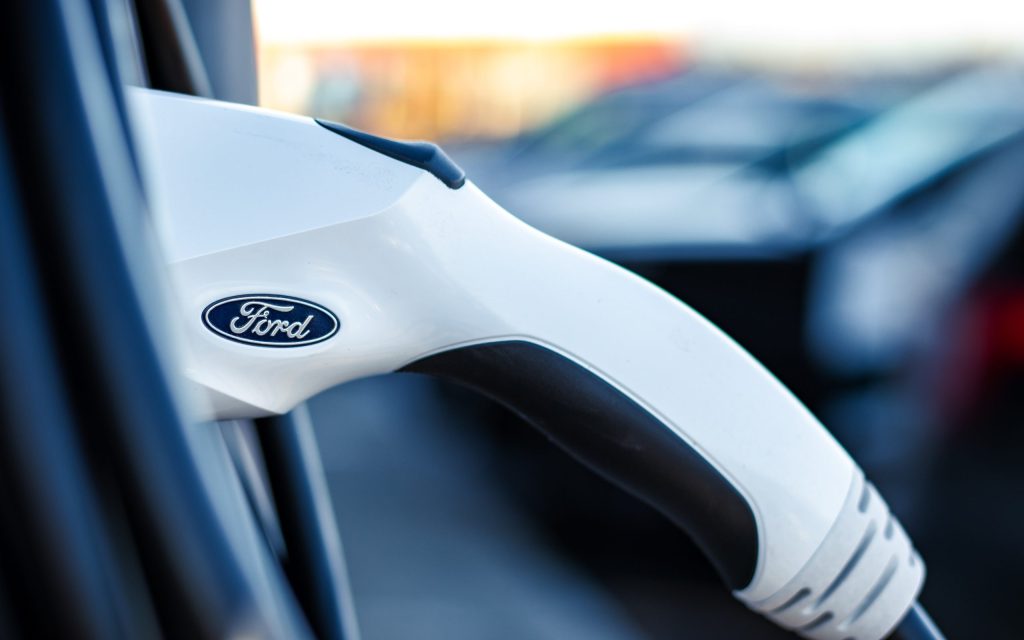

 

Ford is a well-known name in the automobile industry and has become renowned for its reliability and capability. The company’s electric vehicles have gained a great deal of popularity, as they are available in various variants. Most importantly, they offer a range of performance, power and technology features, along with fast charging and safety features. But, why should you opt for Ford electric vehicles? Below are the top 5 reasons you should consider them. Let’s take a look.

  1. The economy ratings

Electric vehicles have become the topmost preference of drivers globally and Ford is at the forefront of this trend. It has created electric vehicles that offer drivers a chance to enjoy a more efficient driving experience, while also helping them save money. The company’s electric vehicles have received a high rating for their efficiency and economy, empowering drivers to save money in terms of fuel and maintenance. 

  1. Cost-efficient choice

Not everyone can afford to shell out hundreds of thousands of dollars on a vehicle. Most people are on a budget when they are shopping for a car and can only explore limited options. Fortunately, the pricing of the company ensures that you can get a Ford electric vehicle even if you are on a tight budget. Ford EVs have received a lot of praise for their affordability because they have reasonable price tags and provide a range of options and features.

Drivers who opt for Ford electric vehicles can save money on maintenance and fuel costs. These cars come with affordable price tags and impressive economy ratings, making them an excellent option for anyone looking for a cost-efficient way of getting around.

  1. Eco-friendly

Drivers who are worried about the environmental impact and want to reduce their own can also consider opting for a Ford electric vehicle. As it produces less emissions, you can help conserve natural resources and reduce pollution, thereby contributing to a better and healthier planet. Advanced technologies have also been integrated in Ford electric vehicles to reduce energy consumption and to maximize efficiency. 

  1. Advanced technology

Advanced technologies have been incorporated in Ford electric vehicles that make them enjoyable to drive, not to mention incredibly convenient. They boast various features that make driving them a truly unique experience. Some of these features include adaptive cruise control and FordPass Connect. If you are looking for an enjoyable and reliable vehicle, you cannot go wrong with Ford EVs because they boast eco-friendly designs, advanced technologies and cost-saving features.

  1. Better performance

As compared to traditional gas-powered vehicles, Ford electric vehicles are capable of delivering a better performance. They can reach higher speeds and their powerful electric motors allow them to have a faster acceleration rate. Their battery life is also better than their gas-powered counterparts, which means a single charge can allow you to travel longer distances. Plus, they are also more efficient than traditional vehicles, which means they cost less and use less energy.

To summarize, drivers who are seeking efficient, reliable and enjoyable vehicles for their driving needs will find Ford electric vehicles to be an excellent choice.   

In the vast landscape of automotive manufacturing, decoding the origin of vehicles can be a complex yet fascinating task. Vehicle Identification Numbers VIN  decoder serve as unique fingerprints, holding vital information about a vehicle’s make, model, and manufacturing details. Among these details, deciphering the manufacturing plant from which a vehicle originated provides valuable insights into its production history and quality standards. In this exploration, we delve into the world of decoding vehicle manufacturing plants using a Universal VIN Decoder.

Understanding the Universal VIN Decoder: 

The Universal VIN Decoder is a powerful tool designed to unravel the cryptic codes embedded within a vehicle’s VIN decoder. These codes follow a standardized format established by the International Organization for Standardization (ISO), ensuring consistency across manufacturers worldwide. By inputting a VIN decoder into the Universal VIN Decoder, enthusiasts, researchers, and industry professionals gain access to a wealth of information, including the vehicle’s manufacturing location.

Breaking Down the VIN decoder: 

A typical VIN  decoder consists of 17 alphanumeric characters, each carrying specific significance. The third character of the VIN decoder, commonly referred to as the World Manufacturer Identifier (WMI), holds the key to identifying the manufacturing plant. The WMI comprises three characters, with the first character denoting the country of origin and the subsequent characters representing the manufacturer and plant code.

Deciphering Manufacturing Plants: 

Manufacturing plants are identified by unique codes within the VIN’s WMI. These codes vary depending on the manufacturer and the plant’s location. For example, a VIN starting with “1G” indicates that the vehicle was manufactured in the United States, with the following characters specifying the manufacturer and plant details. Similarly, VINs beginning with “J” signify vehicles produced in Japan, while “W” denotes vehicles manufactured in Germany.

Unveiling Global Manufacturing Locations: 

The Universal VIN Decoder facilitates the identification of manufacturing plants across the globe. From Detroit to Tokyo to Stuttgart, decoding VINs unveils the diverse array of production facilities responsible for crafting vehicles. Understanding these manufacturing locations provides valuable insights into the global automotive industry’s geographical footprint and distribution network.

Quality Assurance and Production Standards: 

Decoding manufacturing plants through VIN decoder is not merely an exercise in curiosity but also a tool for assessing quality assurance and production standards. Different plants may have varying reputations for quality, efficiency, and adherence to regulations. By identifying the manufacturing plant, stakeholders can evaluate the vehicle’s pedigree and potential implications for reliability and resale value.

Historical Context and Legacy: 

The ability to decode manufacturing plants adds a layer of historical context to vehicle identification. Certain manufacturing plants hold significant historical importance, representing milestones in automotive innovation and production. For example, the Ford Rouge Complex in Dearborn, Michigan, is not only an iconic manufacturing facility but also a symbol of Henry Ford’s vision of integrated mass production.

Conclusion

In the intricate tapestry of automotive manufacturing, decoding vehicle manufacturing plants using a Universal VIN Decoder offers a glimpse into the industry’s inner workings. From identifying global production locations to assessing quality standards and historical legacies, understanding manufacturing plants enhances transparency, accountability, and consumer empowerment. 

Embarking on your journey to becoming a confident and responsible driver is an exciting milestone. As you gear up for your first driving lesson, it’s natural to feel a mix of anticipation and perhaps a hint of nervousness. But fear not! Your first driving lesson is designed to ease you into the world of driving and lay down the foundational skills that will serve you well on the road ahead.

In Australia, learning to drive is a structured process aimed at ensuring safety and competence behind the wheel. Whether you’re a complete beginner or have some prior experience, your first driving lesson will typically cover several key areas essential for building a strong foundation in driving.

Getting Acquainted With The Vehicle

One of the first things you’ll do in your first driving lesson is get acquainted with the vehicle you’ll be driving. Your instructor will walk you through the various controls, including the steering wheel, gear stick (if learning manual), indicators, brakes, and accelerator. Understanding the layout of the vehicle is crucial for feeling comfortable and in control during your driving lessons.

Adjusting To The Driving Environment

Before hitting the road, your instructor will guide you through essential safety checks and adjustments inside the car. You’ll learn how to properly adjust your seat, mirrors, and steering wheel to ensure optimal visibility and comfort while driving. Understanding these adjustments will contribute to your overall confidence behind the wheel.

Starting, Stopping, And Basic Maneuvering

Once you’re comfortable with the vehicle’s controls, it’s time to start moving. You will learn the fundamentals of starting the engine, taking a smooth exit, and stopping safely from your instructor. You’ll practice simple maneuvers such as steering, changing gears (if applicable), and maintaining a safe following distance. Mastering these fundamental skills is essential for safe and smooth driving.

Understanding Road Signs And Traffic Rules

During your initial driving session, your teacher will walk you through the fundamentals of traffic laws, signals, and road signs. You’ll learn to recognize and understand common road signs, traffic signals, and road markings, as well as the importance of obeying speed limits and road rules. Building a solid understanding of road regulations sets the groundwork for safe and responsible driving habits.

Developing Observation And Awareness Skills

Being aware of surroundings and anticipating potential hazards is an important part of driving. Your teacher will stress the value of observation and cultivating a “360-degree awareness” of the road environment throughout your first driving lesson. You’ll learn to scan for pedestrians, cyclists, and other vehicles, as well as how to use your mirrors effectively to maintain awareness of traffic behind and beside you.

Introduction To Basic Manoeuvres

Towards the end of your first driving lesson, you’ll likely be introduced to some basic manoeuvres such as turning left and right, changing lanes, and performing simple intersections. These manoeuvres will help you gain confidence in handling the vehicle in different situations and mastering the basics of steering and signalling.

Building Confidence And Overcoming Nerves

As a beginner driver, it’s natural to feel nervous or apprehensive during your first driving lesson. However, rest assured that your instructor is there to support and guide you every step of the way. They understand that learning to drive is a gradual process, and it’s okay to make mistakes along the way. Remember to communicate openly with your instructor about any concerns or questions you may have. They will provide constructive feedback and encouragement to help you build confidence and progress at your own pace.

Setting Goals For Future Lessons

Before wrapping up your first driving lesson, you and your instructor will likely discuss your progress and set goals for future lessons. Establishing precise goals will help you stay motivated and focused while you work towards being a proficient driver, whether that goal is conquering difficult manoeuvres, honing a particular skill, or getting ready for your driving test.

Practice Makes Perfect

Ultimately, your driving adventure only begins with your first lesson. Like any skill, mastering the art of driving takes practice, patience, and dedication. Take advantage of every opportunity to practice your driving skills, whether it’s with a licensed supervisor or during your scheduled lessons.

Conclusion

Your first driving lesson is an important stepping stone towards becoming a safe and confident driver. By focusing on mastering the basics, developing essential skills, and building confidence behind the wheel, you’ll lay down a solid foundation for your future driving endeavours. Embrace the learning process, stay focused, and most importantly, enjoy the journey of discovering the freedom and independence that comes with driving on Australian roads. Safe travels!

In the world of automotive enthusiasts, customizing your ride is a way to express your personality, stand out from the crowd, and enhance your vehicle’s performance and aesthetics. Auto body customization has evolved significantly, with new trends emerging each year and technology offering more possibilities than ever before. Shops like Atomize Collision & Customs are at the forefront, blending artistry with precision engineering to bring drivers’ visions to life. Here’s a look at the latest trends in auto body customization and some tips to consider before you embark on your customization journey.

Latest Trends in Auto Body Customization

Vinyl Wraps and Graphics

Vinyl wraps have revolutionized auto body customization, offering a way to completely transform your vehicle’s appearance without permanent changes. From matte and satin finishes to bold graphics, wraps protect your original paint while making a statement. They’re also easily removable, allowing you to update your vehicle’s look as trends change.

LED Lighting

Custom LED lighting adds a futuristic touch to any vehicle, with options ranging from underbody lighting to interior mood lights. Advanced LED technology offers vibrant colors and patterns, which can be controlled via smartphone apps, giving drivers complete control over their vehicle’s ambiance.

Aero Kits and Body Panels

Aerodynamic kits and custom body panels not only enhance your vehicle’s appearance but can also improve its performance. From sleek spoilers to custom bumpers, these modifications can reduce drag and increase downforce, improving handling and speed.

Custom Paint Jobs

While vinyl wraps are popular, traditional custom paint jobs remain a staple of auto body customization. With new techniques and materials, custom painters can create unique effects, such as color-shifting paints and intricate designs, that set your vehicle apart.

Wheel Customization

Custom wheels can dramatically change a vehicle’s look and feel. Beyond choosing unique designs and finishes, drivers are opting for larger sizes and wider stances, improving grip and stability while making a visual impact.

Tips for Auto Body Customization

Define Your Vision

Before starting any customization project, have a clear idea of the look and performance you want to achieve. Consider creating a mood board with images and themes that inspire you.

Choose the Right Shop

Selecting a shop with experience in custom auto body work is crucial. Look for shops with a portfolio of completed projects, like Atomize Collision & Customs, that can demonstrate their expertise and creativity.

Consider the Resale Value

While customization can make your vehicle uniquely yours, consider how modifications might affect its resale value. Some changes, especially those that are easily reversible, are less likely to impact value negatively.

Stay Legal

Ensure that your customization choices comply with local laws and regulations, especially regarding lighting and emissions. Consult with your customization shop to ensure that your modifications are both legal and safe.

Set a Budget

Customization costs can vary widely depending on the scope and complexity of the project. Set a realistic budget and discuss it with your customization shop to ensure your project stays on track financially.

Embracing Individuality

Auto body customization is an expression of individuality and passion for cars. Whether you’re making subtle changes or undertaking a complete transformation, the key is to create a vehicle that reflects your style and meets your performance needs. With the right partner, like Atomize Collision & Customs, your dream car can become a reality, showcasing the latest trends and your personal flair.

Welcome to Auto Transport Company in New York, your trusted source for safe and efficient auto transportation services. Whether you need to ship your car domestically or internationally, our team of experienced and reliable professionals is here to assist you every step of the way.

Auto Shipping Services

At Auto Transport Company in New York, we offer a comprehensive range of auto shipping services to meet the diverse needs of our customers. Whether you own a car, truck, SUV, or any other vehicle, we have the expertise to transport it safely and securely.

  1. Domestic Auto Shipping

Our team of experienced drivers can handle the transportation of your vehicle anywhere within the continental United States. We use state-of-the-art carriers to ensure your vehicle’s safety during transit. With our reliable and efficient service, you can enjoy peace of mind knowing that your vehicle is in good hands.

  1. International Auto Shipping

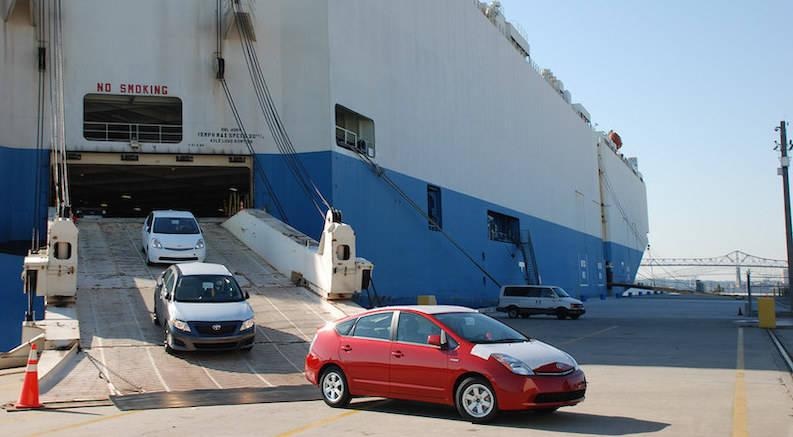
If you need to ship your car overseas, we have the resources and expertise to handle it seamlessly. We have established relationships with reliable international shipping partners, ensuring that your car arrives safely at its destination. Our services include customs clearance, documentation, and insurance, giving you complete peace of mind throughout the process.

  1. Enclosed Auto Shipping

For customers who require extra protection for their vehicles, we offer enclosed auto shipping. Our enclosed carriers provide the ultimate protection for your car, shielding it from external elements such as weather, debris, and vandalism. This option is particularly suitable for high-value vehicles or classic cars that require special care during transit.

  1. Expedited Auto Shipping

We understand that time is a critical factor when it comes to vehicle transportation. That’s why we offer expedited auto shipping services to ensure that your vehicle reaches its destination swiftly. Our dedicated team will work closely with you to accommodate your schedule and minimize any potential delays.

  1. Door-to-Door Auto Shipping

To make your car shipping experience more convenient, we offer door-to-door auto shipping. Our drivers will pick up your vehicle from your designated location and deliver it directly to your chosen destination. This eliminates the need for any additional arrangements or trips to the shipping company’s terminal.

Why Choose Us?

When you choose Auto Transport Company in New York, you can expect:

  • Experience: We have a team of experienced and trained staff who handle your vehicle with the utmost care and attention to detail.
  • Safety: Our carriers are well-maintained and equipped with the latest technology to ensure safe transportation.
  • Reliability: We understand the importance of timely delivery, and we make every effort to ensure that your vehicle reaches its destination on time.
  • Customer Support: Our dedicated customer support team is available 24/7 to address any questions or concerns you may have.
  • Competitive Pricing: We provide competitive pricing without compromising on quality or service.

Contact Us

To learn more about our auto transportation services or to request a quote, please contact Auto Transport Company in New York. We look forward to serving you and providing a seamless auto shipping experience.

Car shipping from Pennsylvania to Texas involves transporting vehicles from one state to another. This service is commonly used by individuals relocating, buying, or selling a vehicle, or needing to transport a car for any other reason. Car shipping options include open and enclosed transport.

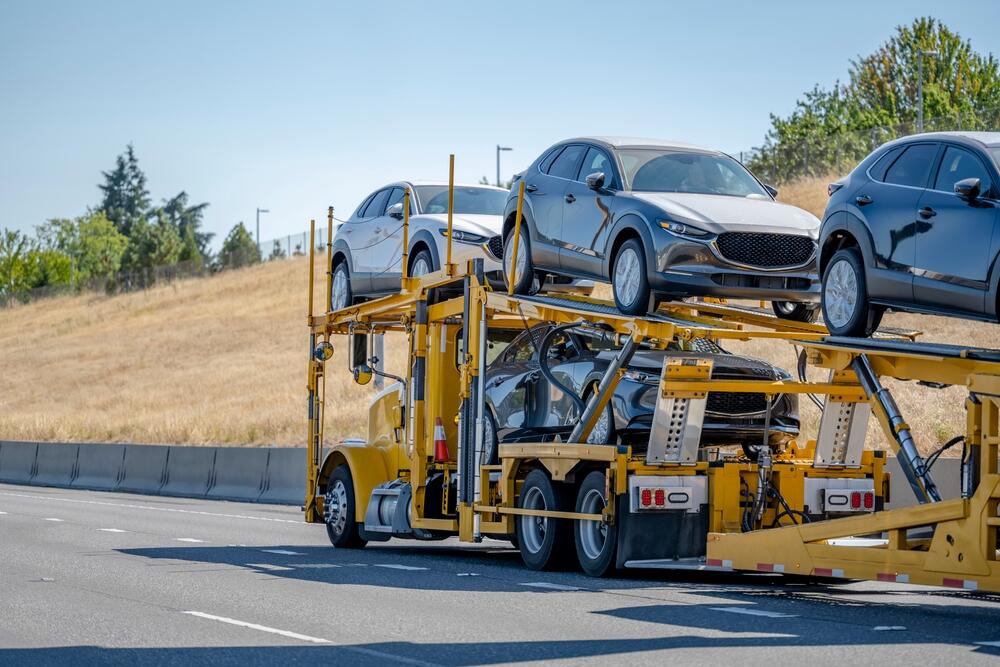
Car shipping via open transport is the most common and most affordable method. It involves transporting vehicles on an open trailer exposed to the elements. This option is suitable for most cars and is preferred by many due to its cost-effectiveness. 

Enclosed transport, on the other hand, offers a higher level of protection for the vehicle. It involves shipping the car in an enclosed trailer, protecting it from external elements. This method is often chosen for high-value vehicles, classic cars, or vehicles with special requirements. Although more expensive than open transport, it provides added security and peace of mind.

When shipping a car from Pennsylvania to Texas, it is crucial to consider factors such as distance, time frame, and budget. The distance between the two states will impact the overall cost of shipping. Additionally, the time frame required for the delivery should be considered, especially if there are specific deadlines or time constraints.

Research and compare different car transport companies before shipping a car. Reputable companies are more likely to deliver vehicles safely and on time. Reading customer reviews and checking the company’s credentials can help make an informed decision.

Once a car shipping company is selected, it is vital to provide them with accurate information about the vehicle. This includes the make, model, year, and any modifications or special requirements. The company will also need the pick-up and delivery addresses and any specific instructions or requests.

Before the car is shipped, inspecting the vehicle, and documenting its condition thoroughly is advisable. Taking photographs and noting any existing damages will help resolve any disputes during transit. Removing any personal belongings from the car and ensuring it is in good working condition is also recommended.

During transit, the car shipping company will update the delivery status. Communicating with the company and promptly addressing any concerns or questions is essential. Upon delivery, carefully inspect the vehicle again to ensure it has arrived in the same condition as when it was shipped.

In conclusion, car shipping from Pennsylvania to Texas is a convenient and reliable way to transport vehicles between states. Individuals can ensure a smooth and efficient process by choosing a reputable car shipping company and following the necessary steps. Whether using open or enclosed transport, car shipping is a convenient way to transport a vehicle across state lines.

As the world accelerates towards a more sustainable future, the electrification of commercial vehicle fleets has emerged as a critical strategy. However, the success of this transition hinges on the availability of effective charging infrastructure. In this article, we delve into the critical role that charging solutions play in facilitating the widespread adoption of electric vehicles by commercial fleets. From understanding the charging landscape to addressing challenges and tailoring solutions, we explore the essential components of a seamless and efficient transition to electric mobility.

Benefits of Dedicated Charging Infrastructure:

Dedicated charging infrastructure brings a host of advantages for commercial electric vehicle fleets:

  1. Reduced Downtime: With dedicated charging stations, vehicles can charge during off-hours, minimizing downtime during working hours. This ensures optimal fleet utilization and efficiency.
  2. Optimized Fleet Management: Charging during off-peak hours can save substantial costs by taking advantage of lower electricity rates. This optimization directly impacts operational budgets.
  3. Scalability: Well-designed infrastructure anticipates fleet growth. By setting up scalable charging solutions, businesses avoid costly infrastructure overhauls as the fleet expands.

Fleet electrification refers to replacing conventional internal combustion engine (ICE) vehicles within a business’s fleet with electric vehicles (EVs). This shift involves adopting various electric-powered options, such as battery electric vehicles (BEVs) and plug-in hybrid electric vehicles (PHEVs). Whether for delivery vans, corporate cars, or public transportation, the transition to EVs marks a significant departure from fossil-fuel reliance, promising reduced emissions and a lower carbon footprint.

Challenges and Solutions:

Implementing charging infrastructure comes with challenges that require strategic solutions:

  1. Initial Costs: Setting up charging infrastructure involves upfront investments. However, many governments offer incentives, grants, and tax benefits to alleviate these initial financial burdens.
  2. Charging Speeds: Matching charging speeds to vehicle usage patterns is essential. Fleet managers need to find the right balance between fast charging for quick turnaround times and sufficient charging time for optimal battery health.
  3. Location Planning: Proper placement of charging stations is crucial. Analyzing fleet routes, identifying high-traffic areas, and ensuring proximity to charging networks contribute to effective location planning.

Tailoring Solutions to Fleet Needs:

Charging solutions must align with fleet requirements:

  1. Fleet Size and Usage: Tailoring infrastructure based on fleet size and daily mileage ensures that charging stations are sufficient to support operations without creating bottlenecks.
  2. Smart Charging: Implementing smart charging solutions allows for optimized charging times based on factors like energy costs and demand fluctuations. This improves operational efficiency and cost-effectiveness.
  3. Fast Charging Hubs: Incorporating fast charging hubs strategically along high-demand routes can ensure that vehicles receive quick energy top-ups, enabling seamless operations.

Future-Proofing Charging Infrastructure:

Anticipating future developments is vital to ensuring a sustainable charging infrastructure:

  1. Technology Advancements: Staying informed about emerging charging technologies helps businesses make informed decisions about upgrades and replacements that align with the latest EV advancements.
  2. Integration with Renewables: Incorporating renewable energy sources into charging infrastructure, such as solar panels, contributes to a greener operation and reduces the carbon footprint.

Conclusion:

In the journey towards a cleaner and more sustainable future, robust charging infrastructure is critical for commercial electric vehicle fleets. Businesses can create an ecosystem that supports efficient operations while upholding environmental responsibility by addressing the challenges, customizing solutions, fostering collaborations, and considering future trends. With careful planning and execution, charging infrastructure becomes the backbone of a thriving electric mobility strategy, ensuring that businesses meet their operational needs and contribute to a more sustainable and forward-thinking transportation landscape.


When you can drive a new or old car, it is crucial to know that you should be able to maintain the car properly if you are worried it might break down during a rainy day.

You can also bring the car to the local car garage for proper maintenance and services, but the mechanic might need help fixing your car correctly.

It would be better if the car dealership carry out the job for you. At Lincoln car dealer, they will give you good customer service and will take care of your car for you.

Many people feel that car dealerships will cost more, but having the car regularly maintained at the dealership will save you a lot of money and increase the car’s life span and value. What you pay is what you get, and here we have a few reasons why you should get a dealership to do the maintenance for you.

Expert Car Technicians

The technicians at the dealership are adequately trained with the manufacturers, and they are the right experts for servicing cars and making new car models that are sold at the dealership. Dealers also give their staff special training programs, which include the car technician, to the management staff.

A talented, well-experienced technician is a valuable asset for the car dealer, so these people are always given a higher salary and other incentives to retain the service. It means only the best technicians are given a chance to get recruited. Third-party service providers cannot offer this service.

Original Parts

The dealership also has ample storage full of original parts, where these parts are needed for the car. The car dealership service center has a lot of authentic parts. These parts are created at a high standard, and you will only get these parts from a car manufacturer, so you do not have to wait for these parts to be delivered.

Facilities

Regarding the facilities, the third-party repair service provider cannot compete with the original car dealership services. As a large part of the network, the dealer has a lot of different sources and facilities. Moreover, people also keep up with the latest information on other vehicles, and there are also a lot of updated diagnostic tools and hardware needed for third-party service providers.

Working with Guaranteed Safety

The repair services are free if the car comes with a good warranty. However, suppose a third-party car repair service provider carries out these services. In that case, the contract will become void, no matter if the vehicle comes with a warranty and the repairs carried out at the dealership are given a guarantee. If the repair services do not meet your standards, get the services fixed with another local dealer. 

Customer Satisfaction

In the automobile industry, getting a good reputation is also crucial, and the dealership will create and retain its reputation by giving good customer service. Moreover, they also represent the car manufacturer, and the dealer has to reach the client’s expectations. There will be a survey on whether the client is happy or not.

Takeaway

Now that you know everything about car dealership services, it is time to get your car serviced today!

Shipping a car can be a convenient and cost-effective way to transport your vehicle from one location to another, especially if you’re moving to a new state or country. However, while car shipping can save you time and hassle, it’s important to be aware of the potential hidden fees that can add up quickly and significantly impact your overall shipping costs. In this blog post, we’ll explore some of the common hidden fees to watch out for when shipping your car and offer tips for avoiding unexpected expenses.

Terminal Fees

Terminal fees are charges assessed by the car shipping company for the use of a specific location, such as a shipping terminal or storage facility. These fees can vary widely depending on the location, the duration of storage, and the services provided. It’s important to carefully review the terms and conditions of your car shipping agreement to ensure that you understand what terminal fees you may be responsible for and how they will be calculated.

How much to ship a car

To avoid terminal fees, you may want to consider selecting a shipping company that offers door-to-door service. This means that the car will be picked up and delivered directly to your preferred locations, eliminating the need for terminal storage.

Fuel Surcharges

Fuel surcharges are fees assessed by the car shipping company to cover the cost of fuel and can be a significant expense, especially if you are shipping your car over long distances. While some companies include fuel surcharges in their initial quotes, others may assess them separately. Before agreeing to a car shipping contract, be sure to ask about fuel surcharges and how they are calculated to avoid unexpected expenses.

Insurance Coverage

Most car shipping companies provide some level of insurance coverage for your vehicle during transit. However, the level of coverage can vary widely, and you may be responsible for additional fees to secure higher levels of coverage. Be sure to review the insurance policy offered by your shipping company and understand what damages are covered and what deductibles may apply.

If you have a high-value vehicle or are concerned about the level of insurance coverage provided by your Shipping cars from State to State, you may want to consider purchasing additional insurance from a third-party provider.

Expedited Shipping Fees

If you need your car shipped quickly, expedited shipping services may be available from some car shipping companies. However, expedited shipping can come with a significant price tag, and you may be responsible for additional fees to cover the cost of faster transit times.

To avoid these fees, try to plan your car shipping well in advance and book your transportation services with ample time to spare. This will give you more flexibility in choosing a slower, less expensive shipping option.

Additional Services

Some car shipping companies offer additional services, such as cleaning or detailing your vehicle before or after transport. While these services may be convenient, they can also add up quickly and significantly increase your overall shipping costs.

Before agreeing to any additional services, be sure to carefully review the pricing and understand what services will be provided. In many cases, it may be more cost-effective to handle these tasks yourself or hire a separate provider to complete them.

Cancellation Fees

Finally, it’s important to be aware of any cancellation fees that may be assessed if you need to cancel your car shipping services for any reason. Some car shipping companies may charge a cancellation fee if you cancel your services within a certain period of time before your scheduled pickup, while others may charge a flat fee regardless of when you cancel.

To avoid cancellation fees, be sure to carefully review the cancellation policy of your car shipping company and understand what fees may apply in different scenarios.

Conclusion

While car shipping can be a convenient and cost-effective way to transport your vehicle, it’s important to carefully review the terms and conditions of your shipping contract and be aware of the potential hidden fees that can impact your overall costs. By understanding the most common hidden fees associated with car shipping, you can make informed decisions about your transportation services and avoid unexpected expenses.

When selecting a car shipping company, be sure to ask about any potential fees or additional charges and review the contract carefully before signing. Additionally, it’s important to work with a reputable and reliable car shipping provider to ensure that your vehicle is transported safely and securely.

By following these tips and staying vigilant about potential hidden fees, you can enjoy the convenience and peace of mind that comes with shipping your car while staying within your budget.